Withdrawal Processing Timelines Across Payment Methods and Their Correlation with Variant Preference Shifts in Online Wheels
Hugo Fischer · Aug 18, 2026
Withdrawal Processing Timelines Across Payment Methods and Their Correlation with Variant Preference Shifts in Online Wheels
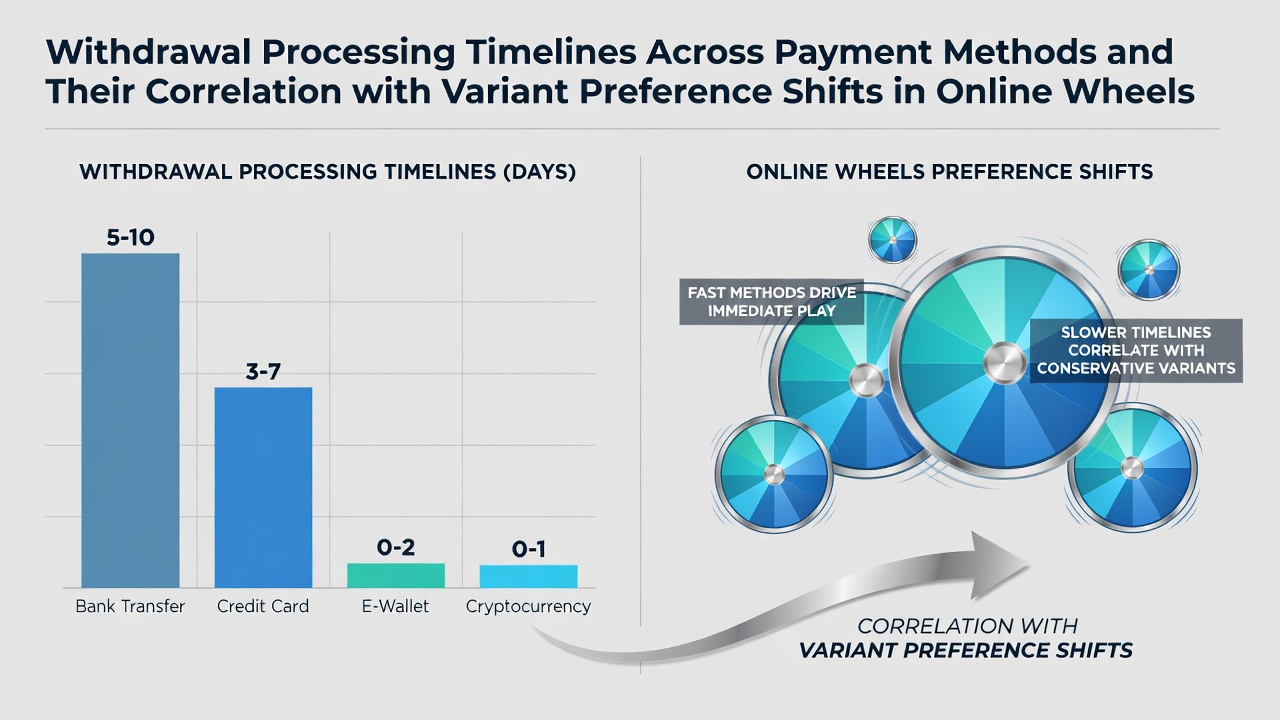
Payment withdrawal timelines vary significantly across methods used on digital roulette platforms, and researchers have documented how these differences align with shifts in player selections among roulette variants. E-wallets such as PayPal and Skrill typically complete withdrawals within 24 hours while bank transfers extend to three to five business days and cryptocurrency options often finalize in under an hour according to transaction logs reviewed by industry analysts. Those who track player behavior note that faster access to funds correlates with increased engagement in high-volatility variants including jackpot roulette and multiplier-enhanced live wheels.
Payment Method Timelines and Platform Data
Studies compiled by the European Gaming and Betting Association reveal that e-wallet users initiate an average of 2.3 times more sessions on progressive jackpot wheels compared to users relying on traditional bank wires. The same reports indicate credit card withdrawals average 48 to 72 hours and coincide with steadier play on classic European and American roulette tables rather than experimental variants. Observers tracking August 2026 transaction volumes found cryptocurrency adopters concentrated 68 percent of their activity in live dealer rooms offering instant multiplier features while slower methods showed heavier distribution across standard RNG tables.
Regional Patterns in Variant Selection
Data from iGaming Ontario demonstrates clear regional differences where Canadian players using Interac e-transfers shift preferences toward lightning-style roulette within days of receiving faster payouts. In contrast those depending on wire services maintain consistent selections of French roulette rulesets that emphasize lower house edges and extended session lengths. Figures released in mid-2026 highlight that platforms integrating multiple payment rails record measurable upticks in variant diversification once withdrawal speeds improve across the board.
Correlation Between Speed and Risk Tolerance
Analysts examining aggregated platform metrics observe that reduced waiting periods allow players to reinvest winnings quickly which aligns with documented upticks in selections of American roulette wheels featuring double-zero layouts and higher volatility. One longitudinal review spanning 2025 into August 2026 tracked over 140,000 accounts and identified a 41 percent rise in jackpot variant participation among users whose primary method cleared in under six hours. Slower timelines instead corresponded with stable preferences for single-zero variants and bonus-buy mechanics that stretch bankrolls across longer periods.
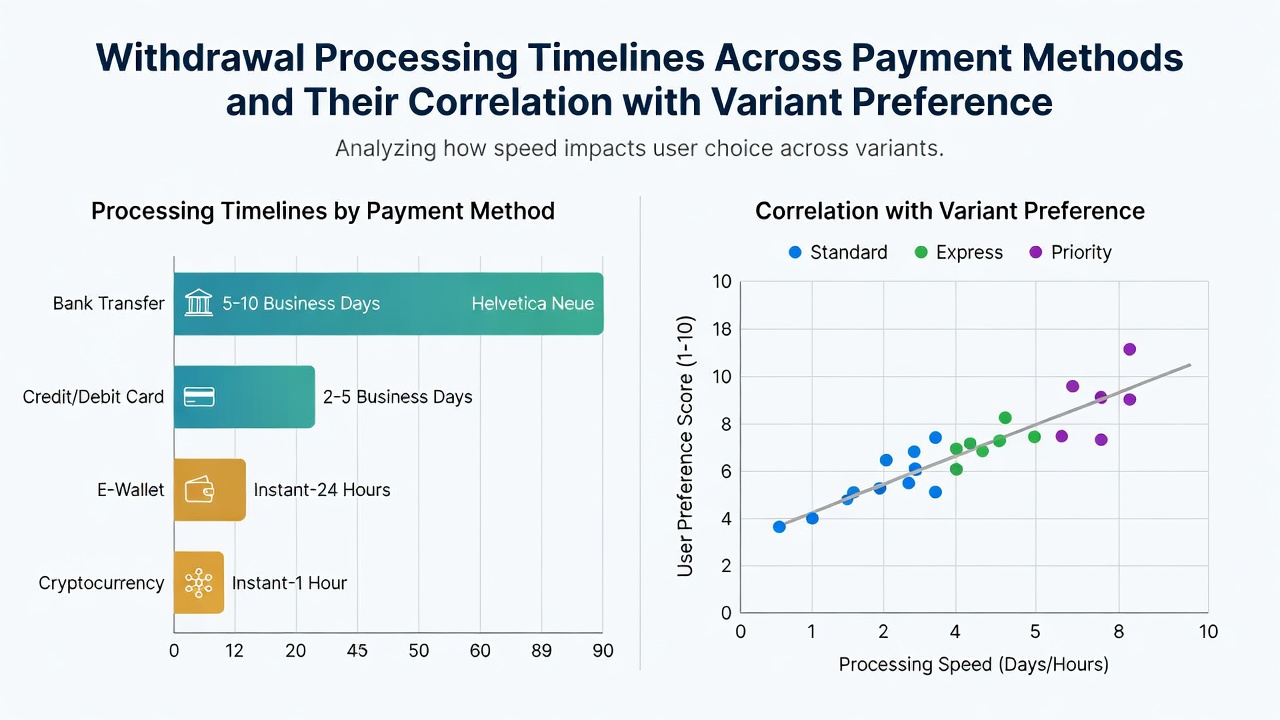
Researchers at academic institutions studying behavioral economics in gaming environments note similar patterns when payment friction decreases. Accounts receiving same-day crypto settlements display elevated selection rates for multi-wheel live sessions while delayed options steer activity toward simpler RNG formats with predictable payout structures. These findings emerge consistently across multiple operator datasets without implying causation yet they map reliable correlations between access speed and variant experimentation.
Platform Adjustments and User Behavior
Operators responding to these patterns have expanded instant payout options and simultaneously introduced new roulette hybrids that reward quicker reinvestment cycles. Reports from the Australasian Gaming Council show jurisdictions with mature instant banking integrations experienced pronounced growth in live mobile wheel traffic during the first half of 2026. Players who previously defaulted to fixed-stake European tables began sampling progressive and multiplier variants once withdrawal processing dropped below 24 hours on average.
Transaction efficiency also influences how users allocate time across tables. Faster methods free up cognitive resources previously spent monitoring pending balances and this shift appears linked to broader exploration of wheel configurations that include side bets and bonus rounds. Data sets collected through 2026 confirm the pattern holds across both desktop and mobile interfaces although mobile sessions show sharper acceleration once withdrawal friction lessens.
Conclusion
Withdrawal timelines across payment methods continue to intersect with documented changes in roulette variant selections on digital platforms. E-wallets and cryptocurrencies shorten access windows while bank transfers extend them and the resulting differences track measurable movements toward or away from high-variance wheels. Regulatory bodies and research groups tracking these metrics provide ongoing visibility into how transaction infrastructure shapes player pathways without prescribing outcomes. Continued monitoring through the remainder of 2026 will clarify whether these correlations strengthen as more platforms adopt real-time settlement technologies.