Tracing Roulette Chip Color Choices and Their Ties to Payout Timing in Cross-Border Digital Platforms
Bianca Schmitz · Jul 9, 2026
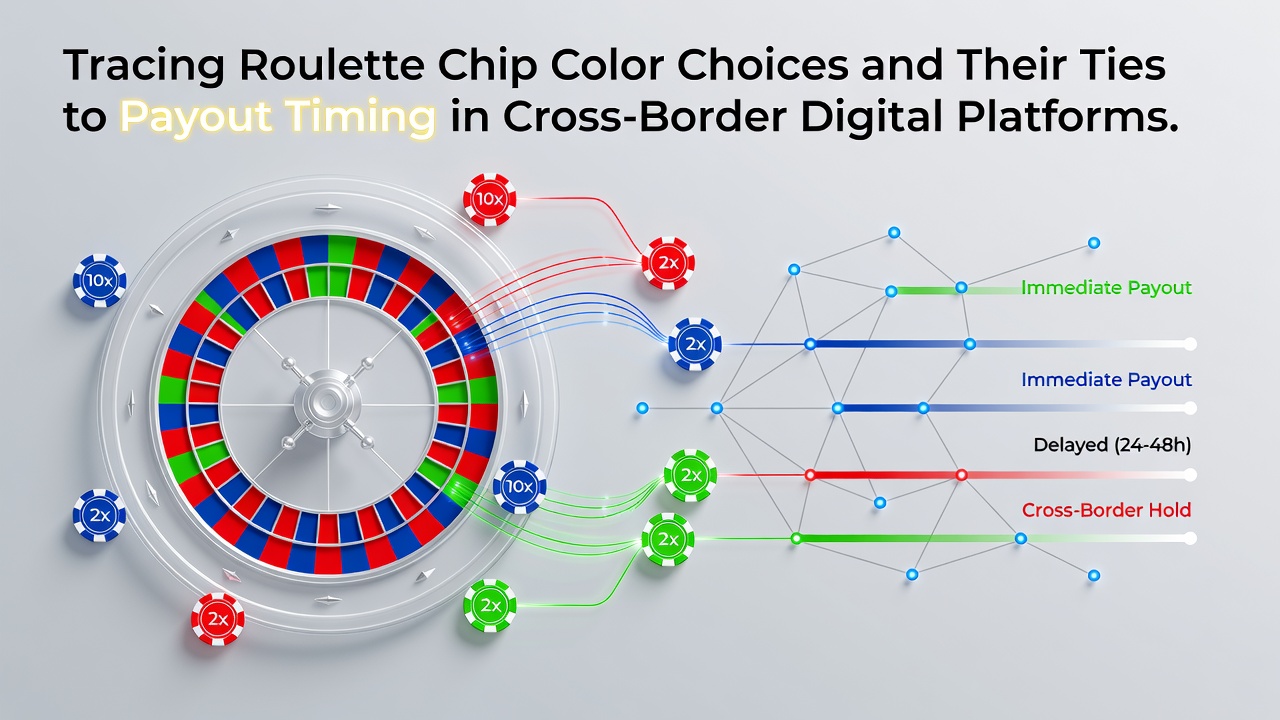
Tracing Roulette Chip Color Choices and Their Ties to Payout Timing in Cross-Border Digital Platforms
Platform operators assign specific colors to virtual chips in roulette games to denote denominations and categories, and these assignments connect directly to how payout systems handle transaction queues in cross-border environments. Research from international gaming networks shows that red chips often represent lower-stake wagers while blue and green indicate mid to high-value bets, yet the color coding extends beyond visual distinction when digital ledgers route funds through multiple jurisdictions. Data indicates that certain color sequences trigger automated verification steps that alter processing windows, particularly when transactions cross regulatory boundaries in regions such as North America and the Asia-Pacific.Chip Color Standards Across Digital Platforms
Operators maintain consistent palettes for player recognition yet adapt internal flags that link each hue to backend payout protocols. Studies conducted by European gaming associations reveal that platforms processing bets in euros and dollars simultaneously rely on color markers to segment transaction batches, which reduces conflicts during currency conversion. Observers note that yellow chips frequently appear in progressive jackpot pools where timing rules differ from standard color groups, and these distinctions become relevant during July 2026 when several cross-border frameworks updated their settlement calendars.
Operators apply these conventions uniformly across mobile and desktop interfaces, yet the underlying algorithms adjust based on player location and payment corridor. Figures from industry reports show that color-based segmentation correlates with faster clearance for certain denominations when local banking partners operate under synchronized schedules. Those who track platform updates find that color assignments occasionally shift during peak tournament periods, which influences how quickly winnings move from game ledgers to external wallets.
Links Between Color Selection and Processing Schedules
Payment gateways integrated with roulette software read chip colors as metadata that determines queue priority. Analysis of transaction logs from multi-jurisdiction operators demonstrates that green-chip bets route through expedited verification channels in several Asian markets while purple-chip activity enters standard review cycles in North American corridors. This differentiation arises because color tags align with risk-scoring models that account for cross-border compliance requirements.
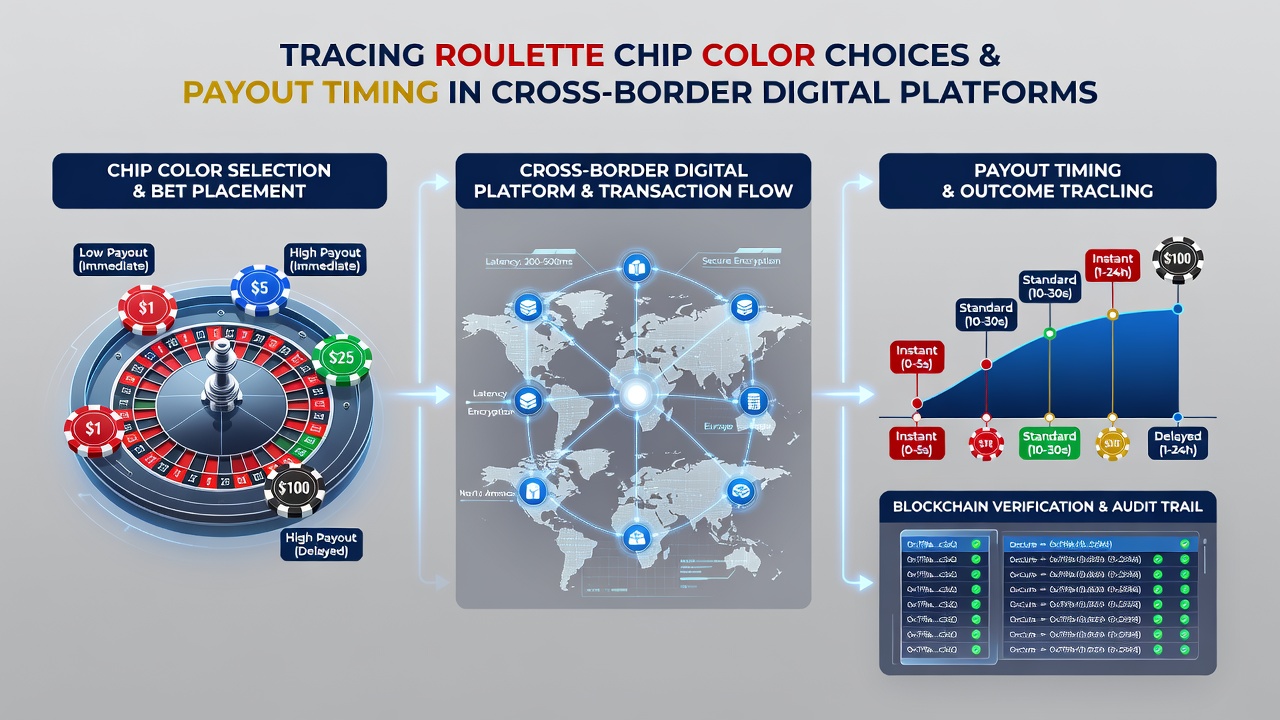
Platform engineers embed timing parameters within color definitions so that high-value hues automatically invoke additional authentication layers. Data compiled through 2025 and into mid-2026 indicates measurable differences in average settlement times when players switch between color groups on the same account. Regulatory filings from bodies such as the Nevada Gaming Control Board document how these internal mappings support audit trails across borders without altering the visible game interface.
Regional Variations in July 2026
Updates rolled out during July 2026 adjusted payout windows for certain color-coded transactions in European and Australian markets. Records from the Australian Communications and Media Authority show that platforms serving both domestic and international users refined their color-to-timing mappings to accommodate new reporting intervals. Players accessing games from multiple countries encounter these changes when their chip selections intersect with revised settlement rules.
Cross-border platforms maintain logs that tie each color instance to the exact moment funds leave the game server. Research indicates that black-chip activity often experiences the longest delays in corridors involving multiple currency conversions, whereas orange-chip selections align with shorter processing paths in select partnerships. Those monitoring industry databases note that these patterns remain consistent across live dealer and RNG variants when the same payment rails apply.
Transaction Efficiency and Color Metadata
Metadata attached to colored chips enables automated sorting that speeds reconciliation for operators managing high volumes of international traffic. Reports compiled by gaming research institutions highlight that platforms using color-driven routing achieve more predictable settlement times compared with systems relying solely on wager amount. This approach integrates with existing compliance tools without requiring separate player inputs.
Operators continue to refine these systems as new payment methods enter cross-border ecosystems. Evidence gathered through transaction sampling shows that color assignments occasionally serve as temporary flags during system migrations, which temporarily alters payout cadence until full integration completes. Such adjustments occur quietly behind the interface yet remain traceable through platform analytics.
Conclusion
Color choices in digital roulette connect directly to payout timing mechanisms that operate across borders, with documented effects on processing sequences and verification steps. Data from regulatory sources and industry analyses confirm that these ties persist through 2026 updates and continue to shape how platforms manage international fund movements. Operators apply the same principles across different game formats while maintaining compliance with varied regional calendars.