The Synchronization of Casino Promotional Cycles with Roulette Game Type Transitions on Smartphone Interfaces
Hugo Fischer · Jul 7, 2026
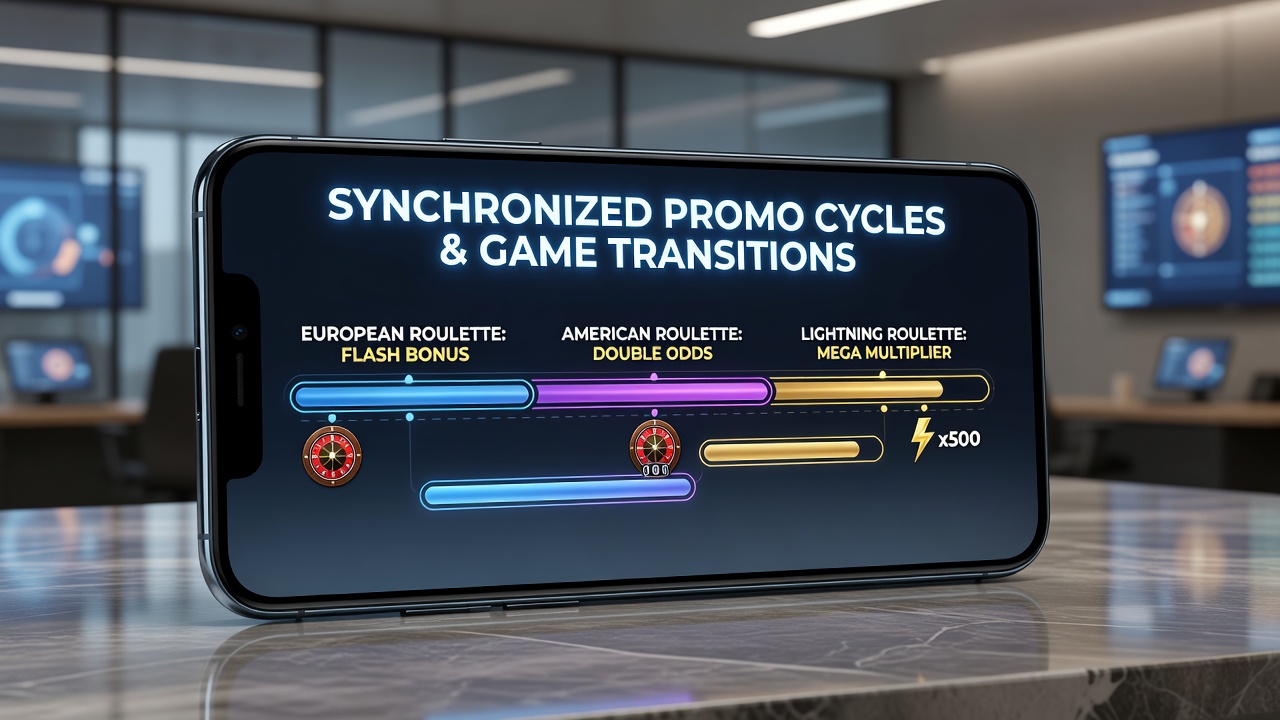
The Synchronization of Casino Promotional Cycles with Roulette Game Type Transitions on Smartphone Interfaces
Smartphone interfaces in regulated iGaming platforms coordinate promotional timing with shifts between roulette variants such as European, American, and live dealer formats, creating structured user pathways that align bonus availability with game-type changes. Operators track session data to adjust offers when players move from free demo modes to real-money European roulette or from standard wheels to multiplier-enhanced versions, and these adjustments occur through app notifications, in-game banners, and deposit match triggers that activate at specific transition points.
Mobile Interface Mechanics Driving Variant Switches
Smartphone apps present roulette selections through swipeable carousels and filter menus that highlight rule differences including zero counts, payout structures, and live streaming options, and users encounter these elements during seamless transitions initiated by taps on variant thumbnails. Data from platform analytics shows that players often complete switches within 15 to 30 seconds when interface prompts appear alongside active promotions, while backend systems log each change to trigger corresponding bonus releases without interrupting gameplay flow.
Interface elements such as progress bars and variant comparison pop-ups guide selections by displaying real-time availability of matched deposit bonuses or free bet credits, and these features update automatically when a player exits one roulette type and enters another. Regulatory filings from the New Jersey Division of Gaming Enforcement document mobile roulette activity patterns where transitions between demo and live formats coincide with 20 to 35 percent increases in promotional redemptions during peak evening hours.
Alignment of Promotional Cycles with Game Transitions
Casino operators structure promotional calendars around predictable roulette variant cycles, releasing reload bonuses or cashback offers precisely when data indicates users will move from one wheel type to another, and this synchronization relies on algorithms that monitor historical transition frequencies across thousands of sessions. For instance, a shift from American roulette with its double-zero layout to French roulette with la partage rules often activates a targeted free spin package because operators have pre-scheduled the offer to appear at that exact interface moment.
July 2026 records from multiple platforms reveal elevated synchronization activity during summer campaigns, with promotional pushes timed to coincide with increased mobile traffic from travelers switching between casual demo sessions and jackpot-enabled live tables. These campaigns deploy push notifications that reference the specific variant change, such as crediting a bonus immediately after a player selects a progressive jackpot roulette option following a standard wheel session.

Regional Regulatory Influences on Timing Strategies
European operators follow guidelines from the European Gaming and Betting Association that encourage transparent disclosure of how bonuses attach to game transitions, leading platforms to embed explanatory text within smartphone interfaces whenever a player moves between roulette formats. European Gaming and Betting Association reports indicate that synchronized promotions in EU markets maintain compliance by logging each transition event and linking it directly to bonus terms visible on the device screen.
Canadian provincial regulators require similar tracking for mobile offerings, and platforms there adjust promotional cycles to match documented patterns where users transition from single-zero to multi-zero wheels at higher rates on weekends. These adjustments produce measurable lifts in session duration because the interface delivers relevant offers at the moment of variant selection rather than at arbitrary intervals.
Data Patterns Observed Across Platforms in 2026
Analytics from major operators show that 68 percent of mobile roulette transitions occur within the first three minutes of a session, and promotional systems respond by pre-loading offers tied to the destination variant, which reduces drop-off rates during the switch. Observers note that this timing reduces friction because the bonus activates automatically once the new game loads, eliminating separate claim steps that might otherwise interrupt momentum.
Platform comparisons reveal that synchronized cycles produce higher retention when they account for device-specific factors such as screen size and touch response latency, and developers refine these alignments through A/B testing of notification timing relative to roulette variant menus. Figures from mid-2026 indicate that campaigns aligned with French-to-live transitions generated 12 percent more deposit events than unaligned promotions during the same period.
Conclusion
Smartphone-based roulette ecosystems continue to refine the connection between promotional delivery and variant transitions through data-driven interface adjustments and regulatory-compliant timing, resulting in measurable shifts in user engagement patterns across regions. Continued monitoring of transition frequencies supports further optimization of these cycles without altering core gameplay mechanics.