Shifting Gears in Digital Wheels: How Secure Payment Gateways Shape Progressive Jackpot Accumulation Across Free-to-Paid Roulette Transitions
Hugo Becker · May 19, 2026
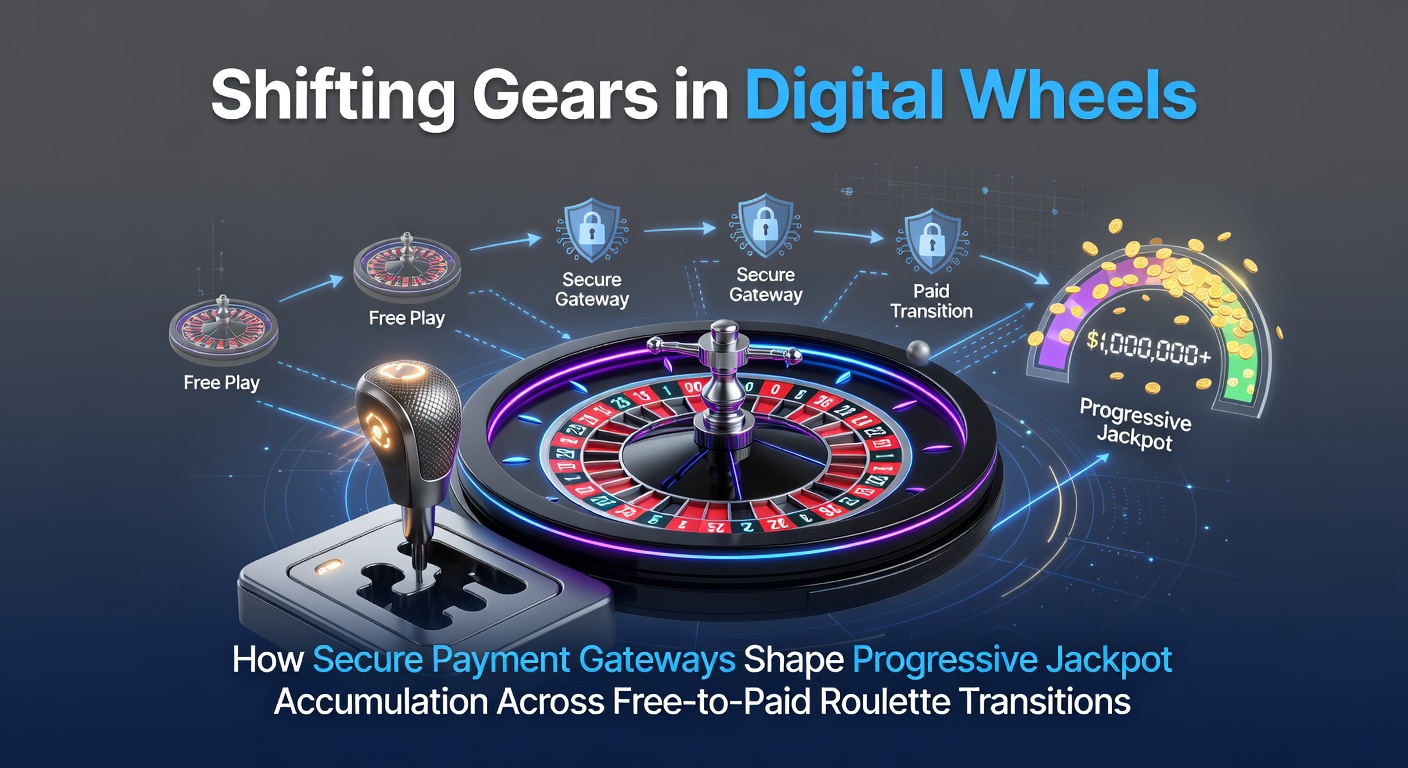
Shifting Gears in Digital Wheels: How Secure Payment Gateways Shape Progressive Jackpot Accumulation Across Free-to-Paid Roulette Transitions
Secure payment gateways have become central to how progressive jackpots build during player movement from free roulette versions to paid platforms, and data from May 2026 shows transaction volumes rising sharply across regulated markets. These systems handle the shift by verifying funds, encrypting details, and routing contributions into shared prize pools without interruption or fraud exposure. Observers note that each real-money bet processed through certified gateways adds directly to the accumulating total, whereas free play stays isolated from any financial pool.
Mechanics of Transition and Pool Building
When players move from demo modes to paid roulette, gateways authenticate identity, confirm deposit amounts, and initiate the first stake that feeds the progressive meter. This process relies on real-time authorization protocols that prevent duplicate entries or unauthorized deductions, and industry reports indicate such measures kept jackpot integrity above 99 percent during the first quarter of 2026. Multiple games often link to one meter, so a single gateway transaction can simultaneously support several titles across different operators.
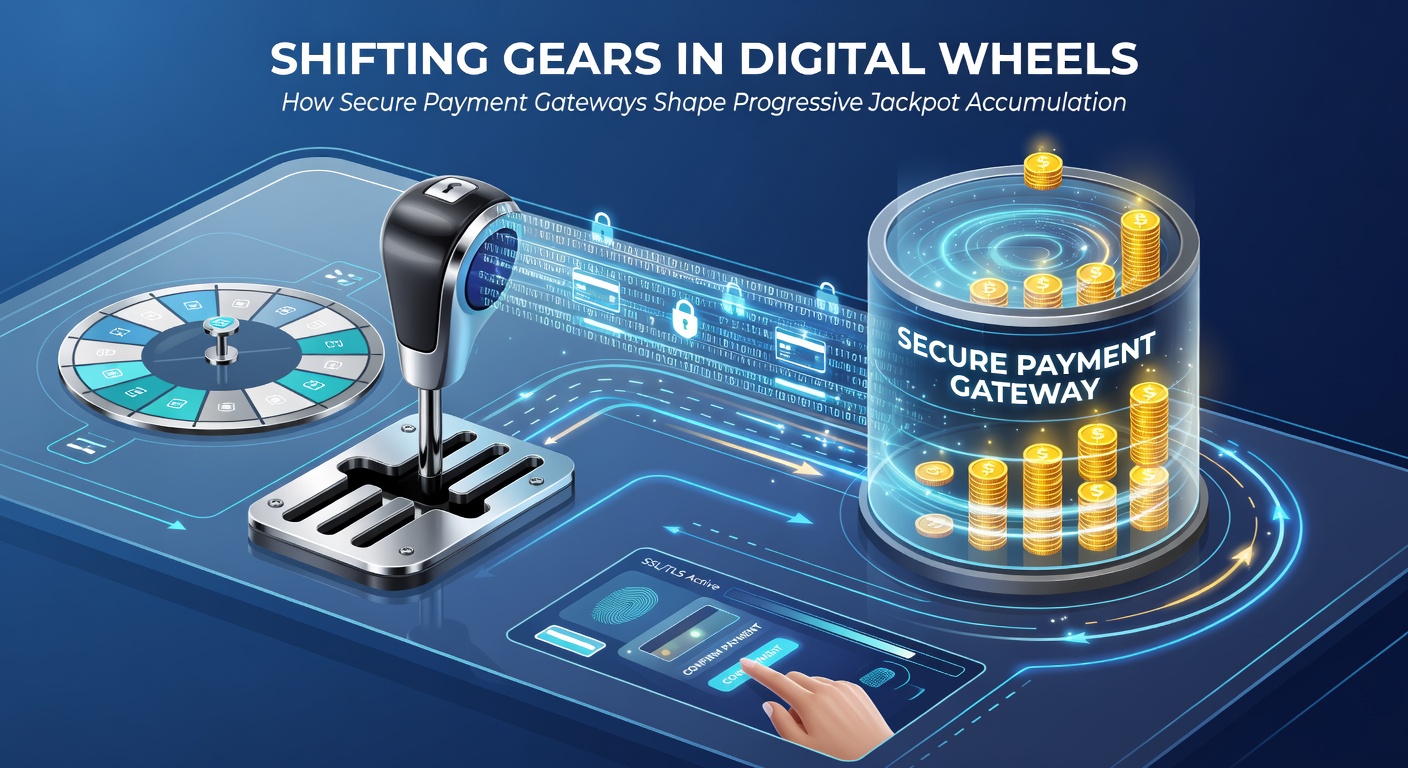
Encryption standards such as TLS 1.3 and tokenization keep card or wallet data separate from game servers, which reduces breach risks that once allowed manipulation of pool figures. Research from academic centers tracking European digital payments reveals that operators using multi-layer verification experienced fewer disputes over jackpot amounts compared with those relying on older processing methods.
Regulatory Landscape in Mid-2026
By May 2026 several jurisdictions had updated rules requiring gateways to meet new interoperability standards before they could process progressive contributions. These updates aimed to synchronize reporting across borders, and figures from the European Gaming and Betting Association show a 17 percent increase in cross-platform jackpot pools after the changes took effect. Gateways must now log every micro-transaction that feeds a meter, creating an audit trail that regulators review quarterly.
Canadian provincial frameworks also tightened requirements around instant payout confirmations, and data released that month indicated faster fund clearance translated into quicker meter updates visible to players. Such synchronization matters because delayed postings once caused temporary undercounts that affected player trust in live progressive displays.
Technical Safeguards and Real-Time Accumulation
Modern gateways incorporate velocity checks that flag unusual bet patterns before they reach the jackpot engine, and this filtering keeps illegitimate contributions from inflating totals artificially. When a player deposits through an approved channel the system splits the stake into house edge, player return, and progressive seed components within milliseconds. Observers tracking these flows report that split-second accuracy prevents the rounding errors that previously accumulated over thousands of spins.
Blockchain-based settlement layers have entered testing phases in select markets, and preliminary results released in spring 2026 suggested immutable ledgers could further reduce reconciliation time between operators sharing the same meter. These experiments focus on recording each contribution without exposing personal data, which aligns with privacy regulations already in force across multiple regions.
Player Journey and Gateway Friction Points
Many users begin in free modes to learn wheel physics and betting sequences, then cross into paid environments once comfortable. Gateways serve as the checkpoint where identity verification, deposit limits, and responsible-gaming flags activate simultaneously. When these checks complete without delay the first real stake registers on the progressive meter almost instantly, and operators note that seamless onboarding correlates with higher retention rates during the initial paid sessions.
Conversely, gateways that impose repeated authentication steps can interrupt momentum, and May 2026 statistics from regional monitoring bodies showed a measurable drop in early-stage jackpot contributions when friction exceeded average thresholds. Designers therefore balance security layers against transaction speed to maintain continuous pool growth.
Future Integration and Cross-Border Considerations
Payment networks continue expanding support for digital wallets and instant bank transfers that bypass traditional card rails, and these alternatives reduce processing fees that once eroded small contributions to progressive totals. Lower fees allow a greater percentage of each stake to reach the meter, which compounds over high-volume roulette tables. Analysts following these trends expect further efficiency gains once new open-banking directives fully roll out in additional jurisdictions.
Conclusion
Secure payment gateways now determine both the speed and reliability of progressive jackpot growth whenever players shift from free roulette to real-money play. Their encryption, verification, and routing functions create the infrastructure that lets meters reflect genuine participation rather than isolated demo activity. As regulatory and technical standards evolve through 2026 and beyond, the same gateways will continue shaping how contributions accumulate across linked games and shared prize pools worldwide.