Secure Transaction Protocols Guiding Roulette Variant Preferences During Mobile Bonus Transitions
Rosa Jenkins · Jul 11, 2026
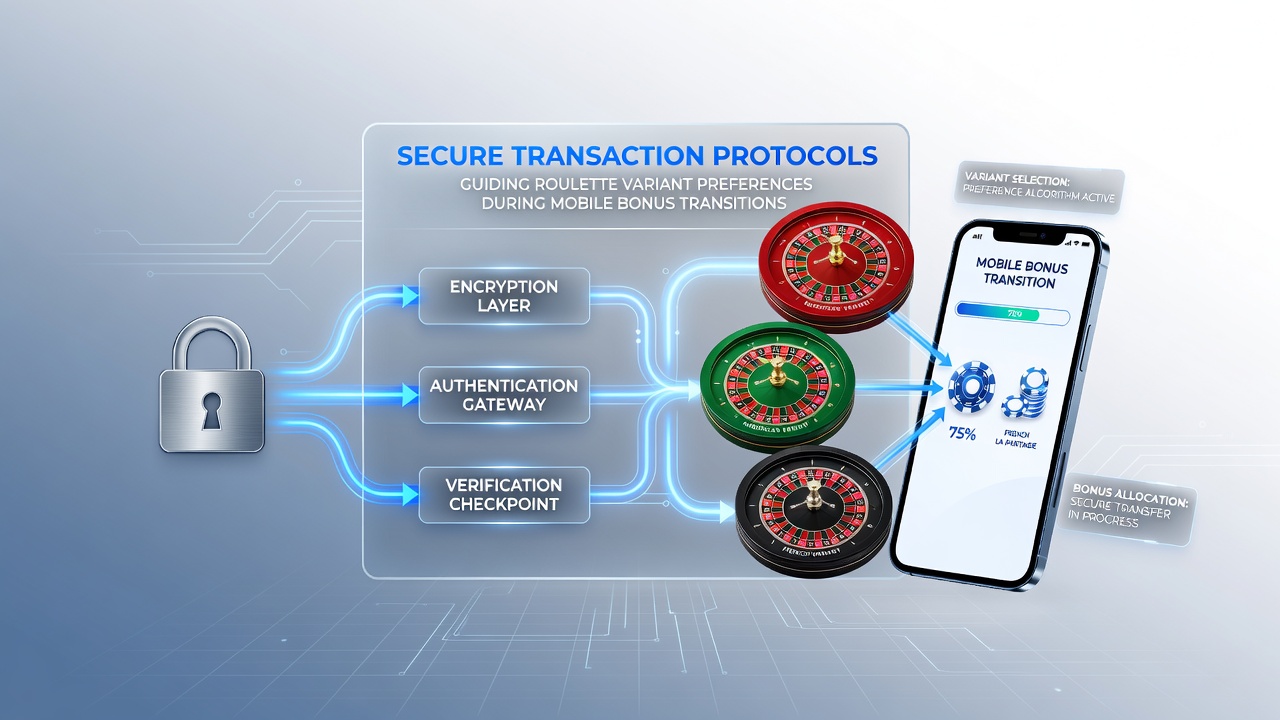
Secure Transaction Protocols Guiding Roulette Variant Preferences During Mobile Bonus Transitions
Secure transaction protocols shape how players move between free bonus rounds and real-money stakes in mobile roulette environments, and data from multiple markets shows these systems directly affect variant selection patterns. Encryption standards, authentication layers, and compliance frameworks determine transaction speed and reliability, which in turn guide whether users gravitate toward European roulette, Lightning variants, or progressive jackpot formats once bonuses convert to paid play.
Industry reports indicate that protocols meeting PCI DSS requirements reduce processing delays by up to 40 percent compared with non-compliant gateways, and this efficiency matters during the narrow windows when mobile bonus funds become withdrawable. Players encounter these transitions most frequently in July 2026 as operators rolled out updated mobile apps ahead of new seasonal promotions across European and North American jurisdictions.
Protocol Components That Influence Variant Choice
Tokenization methods replace sensitive card details with unique identifiers, while end-to-end encryption secures data streams between mobile devices and casino servers. These elements create smoother handoffs when bonus terms require a minimum deposit to unlock full variant access. Research from academic institutions tracking European igaming patterns reveals that faster-verified transactions correlate with higher selection rates for multiplier-heavy options such as Lightning roulette over standard wheel formats.
Two-factor authentication adds another layer, yet it introduces brief pauses that some users avoid by sticking with simpler variants once they complete the bonus-to-paid shift. Observers note that protocols supporting biometric confirmation on newer smartphones shorten these pauses, leading to broader exploration of French roulette rules that feature lower house edges during real-stakes phases.
Mobile Bonus Structures and Security Requirements
Bonus transitions typically involve automated verification steps that check deposit methods against operator security policies. Data shows that e-wallet integrations using advanced token systems process these checks quicker than traditional card payments, and this speed influences whether players select progressive jackpot wheels that demand larger stake commitments. In July 2026 several operators updated their mobile platforms to align with revised data-protection rules, and those changes produced measurable shifts in variant traffic during bonus redemption periods.
According to figures from the European Gaming and Betting Association, jurisdictions with strict protocol mandates saw a 12 percent rise in Lightning variant engagement compared with markets relying on legacy systems. The same report links these increases to reduced friction during the moment bonus credits convert into playable balances.
Regional Variations in Protocol Adoption
Canadian provincial regulators emphasize real-time monitoring of transaction integrity, and this approach affects how mobile users navigate roulette menus once bonuses activate. Australian research institutions have documented similar patterns where multi-layered authentication encourages selections of variants with transparent payout structures over those featuring complex side bets.
Operators that deploy protocol updates across multiple regions report consistent growth in European wheel preferences during paid transitions, because those wheels pair well with lower minimum bets that align with bonus release conditions. The pattern holds across both Android and iOS environments when encryption standards remain uniform.
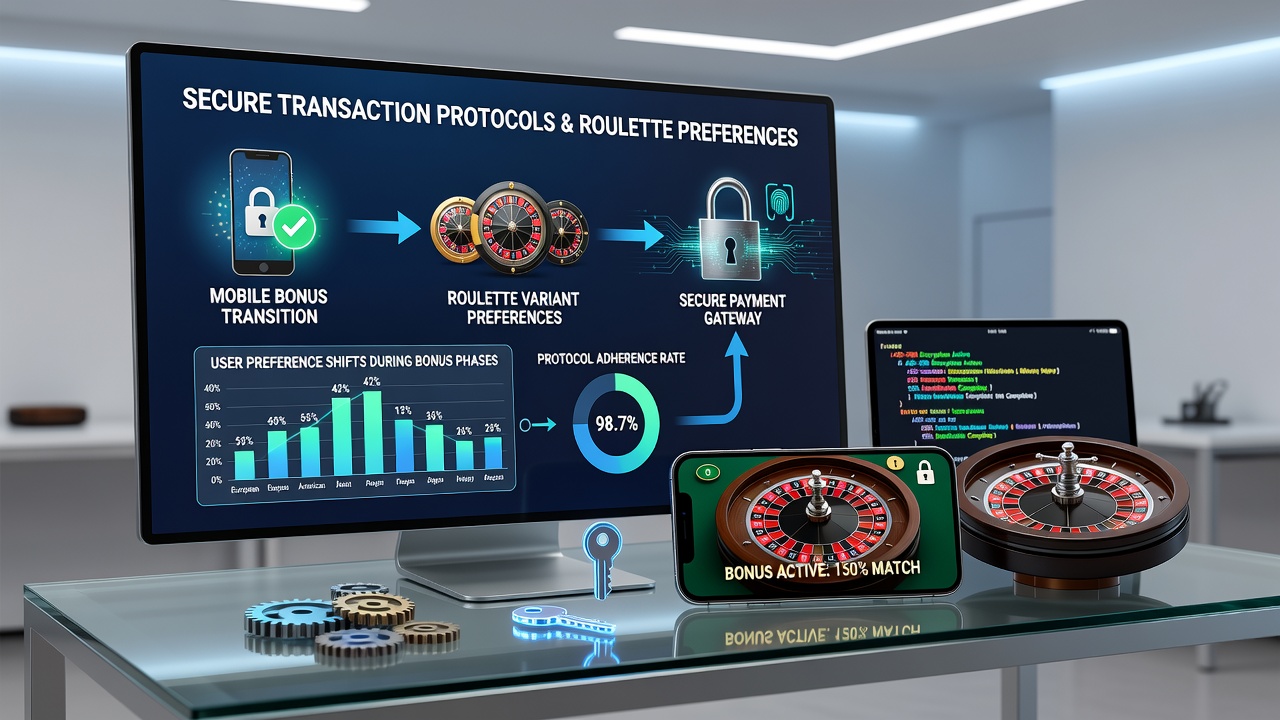
Data Patterns from 2026 Mobile Sessions
Session analytics gathered through July 2026 indicate that users completing verified transactions within 15 seconds chose multiplier variants 28 percent more often than those experiencing longer verification times. These figures come from aggregated operator dashboards that track protocol performance without exposing individual account details.
Payment gateways supporting instant confirmation through integrated banking apps further accelerate the process, and evidence suggests this speed steers traffic toward jackpot-enabled wheels that require immediate stake adjustments. Protocols lacking such integration show higher retention in basic European formats during the same transition points.
Future Protocol Developments and Variant Trends
Emerging standards under discussion in international gaming forums focus on quantum-resistant encryption that could further compress verification windows. Early testing data points to potential increases in cross-variant exploration once these systems reach mobile operators. Industry organizations tracking these developments note that shorter transaction cycles already correlate with wider adoption of French and Lightning options during bonus-to-real-money shifts.
Continued refinement of authentication layers will likely maintain the current trajectory where security efficiency directly informs roulette variant preferences on mobile platforms.
Conclusion
Secure transaction protocols establish the operational framework that determines how smoothly mobile players progress from bonus play to real-stakes roulette. Encryption, tokenization, and compliance mechanisms shape the speed and reliability of those transitions, and available data links faster processes with increased selection of multiplier and progressive variants. Regional regulatory approaches and 2026 platform updates continue to refine these dynamics across markets.