25 Jul 2026
Player Adaptation to European Payout Structures During Extended Free Play Periods on Portable Devices
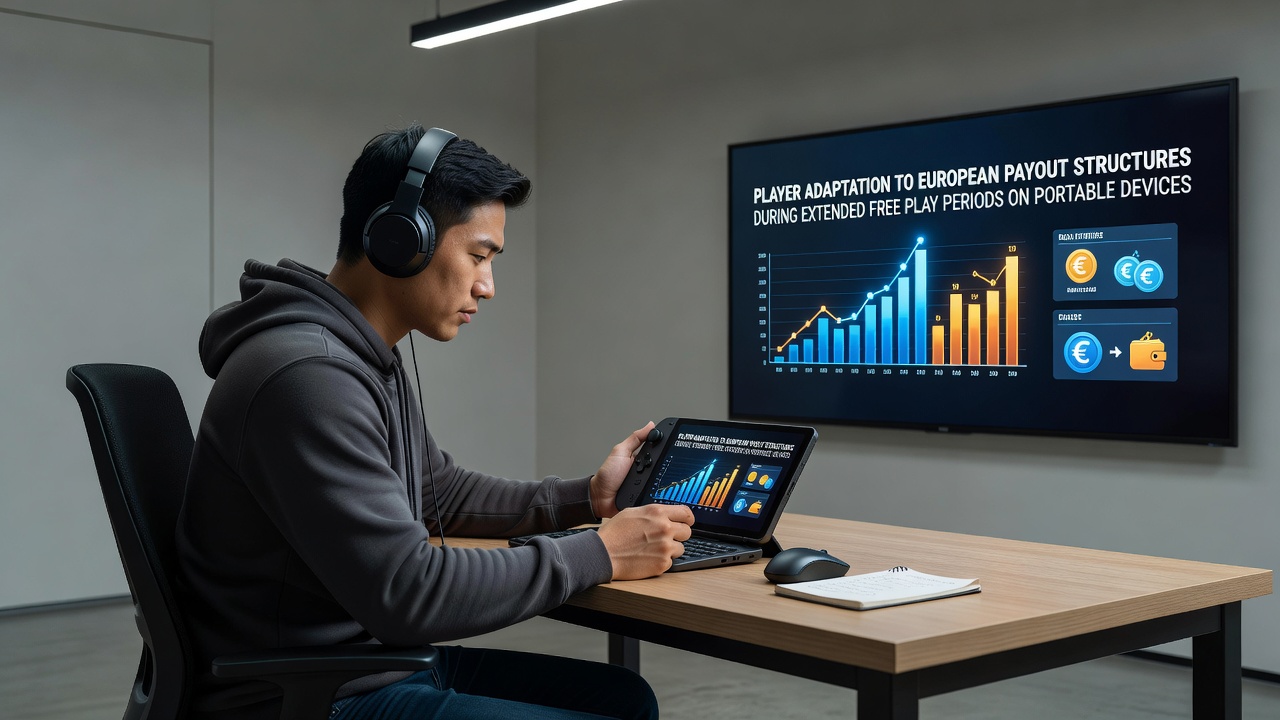
Data from multiple European iGaming markets shows steady growth in mobile sessions that rely on extended free play modes, where participants encounter payout models built around single-zero mechanics and reduced house edges compared with double-zero variants. Observers note that these sessions often stretch across days or weeks on portable devices, allowing individuals to track return patterns without immediate financial commitment.
European Payout Models in Digital Environments
European payout structures typically feature a 2.7 percent house edge in wheel-based games, a figure that stems from the single zero on the layout, and this configuration appears frequently in free-to-play applications available across portable platforms. Research indicates that operators implement these models in demo versions to mirror real-money conditions, which gives users repeated exposure to consistent return frequencies and variance levels. Figures released in mid-2026 reveal that free play accounts for roughly 35 percent of total mobile session time in several EU jurisdictions, with portable device users logging an average of 47 minutes per session during peak evening hours.
Behavioral Patterns During Prolonged Free Play
Players on smartphones and tablets demonstrate measurable shifts in decision-making after 10 to 15 hours of cumulative free play, according to aggregated telemetry from major platforms. They begin to adjust bet sizing and selection frequency in response to the lower variance that characterizes European structures, moving away from patterns observed in higher-edge environments. Studies conducted by academic teams at institutions in the Netherlands and Sweden found that participants gradually increase the proportion of even-money wagers while decreasing reliance on inside bets once they accumulate sufficient sample data through repeated demo rounds.
What's interesting is how these adjustments occur without external prompts, as interface elements on portable devices display running statistics that update in real time. Data shows that users who maintain sessions longer than three consecutive days exhibit a 22 percent reduction in high-risk selections compared with their initial hour of activity. Portable device constraints such as smaller screens and touch-based input further influence these adaptations, prompting more conservative pacing because visual tracking of outcomes requires additional focus.
Device-Specific Factors and Regional Data
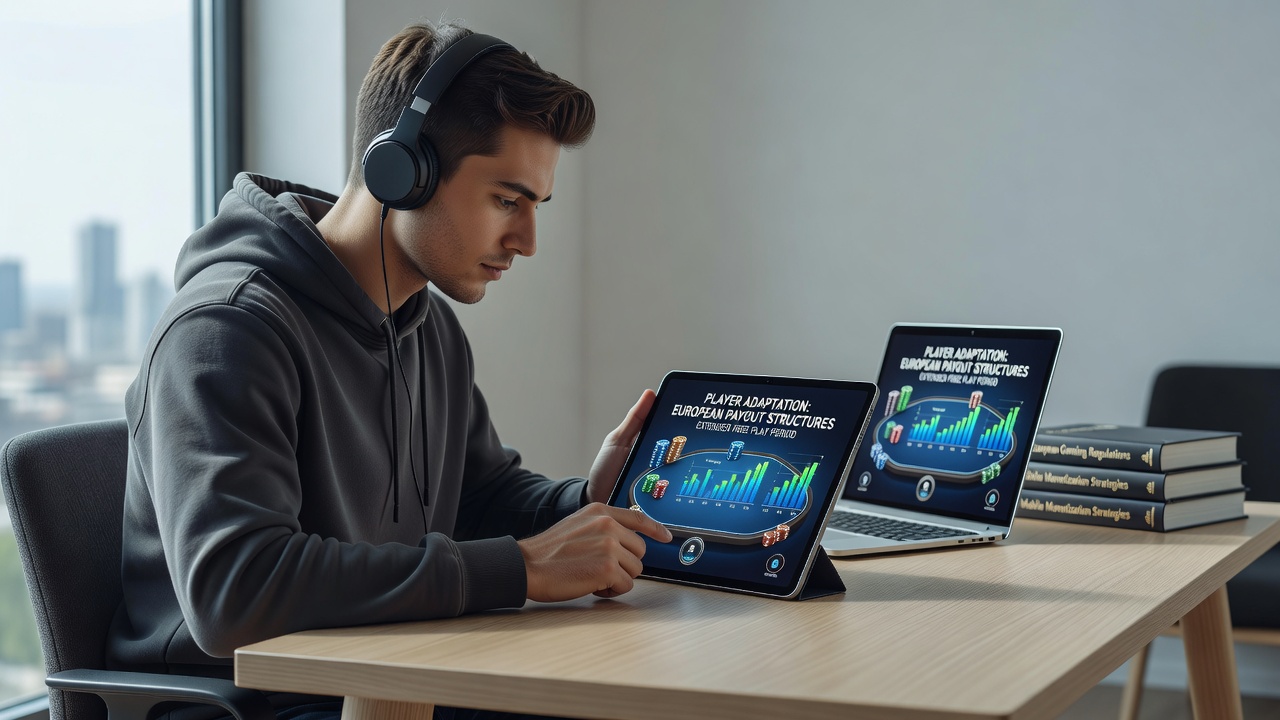
Portable hardware introduces variables that shape adaptation speed. Battery life and network stability affect session continuity, while operating system differences between iOS and Android influence how payout tables render during extended periods. A report published by the Irish Gambling Regulatory Authority documented that Irish users on Android devices averaged 18 percent longer free play durations than iOS counterparts in the first half of 2026, correlating with higher retention of European payout awareness. In parallel, Canadian researchers tracking cross-border mobile traffic noted similar trends among users accessing EU-hosted free play environments.
July 2026 figures from the European Gaming and Betting Association indicate that free play engagement on portable devices rose 14 percent year-over-year, with the largest increases recorded in markets where operators introduced updated demo interfaces that highlight payout differentials. These updates include visual cues that display expected return percentages after every 50 spins, accelerating the learning curve for new participants.
Interface Design and Learning Curves
Design choices in mobile applications contribute directly to how quickly individuals internalize European payout structures. Color-coded outcome histories and simplified probability overlays appear more frequently in recent updates, and telemetry reveals that users interact with these tools at higher rates during the second and third day of a free play streak. Observers note that such features reduce the time required to reach stable betting patterns by approximately 30 percent when compared with earlier interface generations.
Those who study mobile gaming metrics report that touch-screen ergonomics also play a role. Repeated tapping on smaller targets leads to more deliberate selection processes, which in turn reinforces attention to payout implications rather than impulsive choices. Extended sessions therefore function as training periods where muscle memory and statistical awareness develop concurrently.
Conclusion
Available data demonstrates that extended free play periods on portable devices facilitate measurable adaptation to European payout structures through repeated exposure, interface feedback, and device-specific interaction patterns. Regional reports from July 2026 onward continue to track these trends as operators refine demo environments and mobile platforms evolve. The patterns observed across multiple studies provide concrete evidence of how users adjust their approach when sample sizes grow without financial stakes attached.