Platform Design Choices Guiding Transitions Between Simulated Roulette Play and Live Jackpot Opportunities via Diverse Funding Channels
Bianca Schmitz · Aug 25, 2026
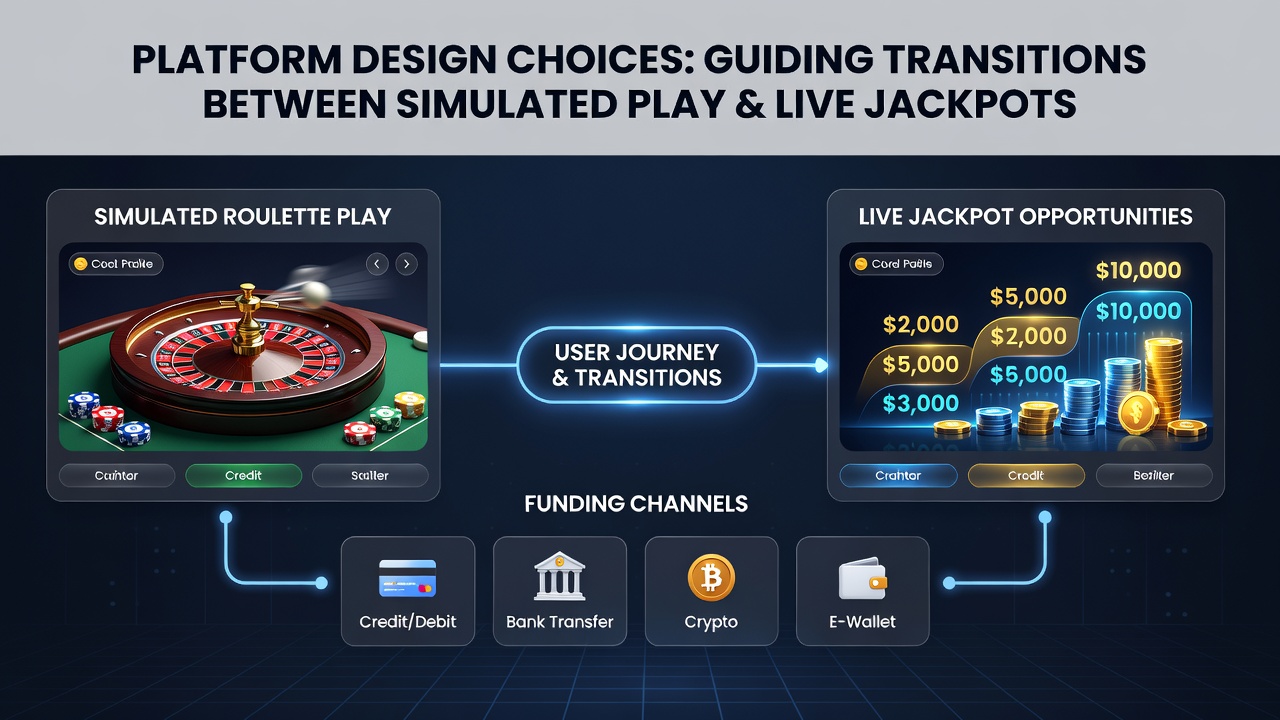
Platform Design Choices Guiding Transitions Between Simulated Roulette Play and Live Jackpot Opportunities via Diverse Funding Channels
Platform architects focus on user flow architecture that connects practice modes in roulette simulations directly to real-money environments featuring progressive jackpots, and design teams achieve this through layered navigation systems that reduce friction at each stage. Data from industry monitoring services in August 2026 shows increased session continuity when interfaces embed clear progression prompts alongside simulated wheel outcomes. Those who analyze digital gaming patterns note that visual cues such as highlighted jackpot meters and one-tap access buttons guide players toward funded play without disrupting ongoing engagement.
Navigation Structures That Bridge Practice and Live Modes
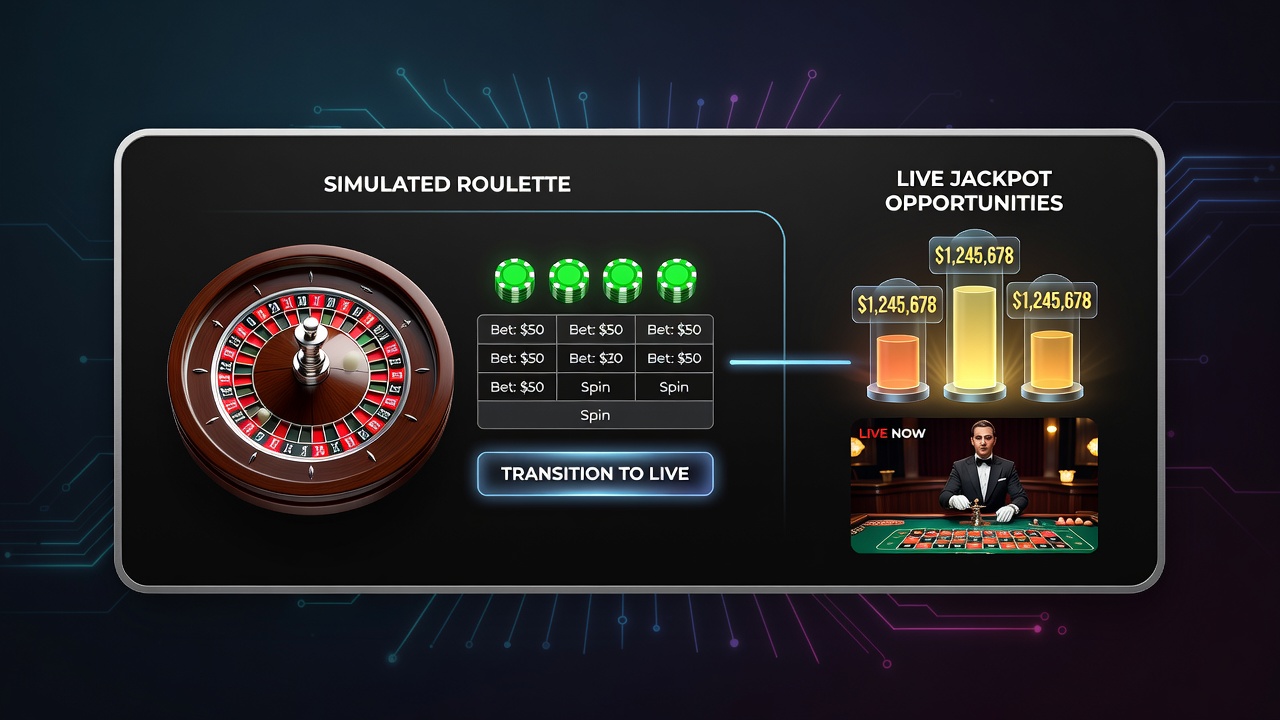
Designers implement persistent side panels or bottom navigation bars that remain visible during demo sessions, and these elements display real-time jackpot values drawn from live tables. Research indicates that platforms using such persistent elements record higher conversion rates from simulated spins to actual bets. The structure often incorporates progress trackers that display accumulated demo achievements as incentives for crossing into paid environments, while conditional pop-ups appear only after certain spin thresholds to avoid interrupting flow. Observers note that color-coded pathways, green for demo completion and gold for jackpot entry points, help users recognize transition opportunities at natural pause moments in gameplay.
Funding Channel Integration Within Transition Points
Multiple deposit methods integrate directly at the boundary between simulated and live sections, and platforms present these options through modular selection grids that adapt based on user location and prior activity. Bank transfers, digital wallets, and cryptocurrency gateways appear in sequences determined by transaction speed data, with faster methods prioritized for users who have already engaged with jackpot previews. Studies found that embedding funding selectors within the same screen as live table previews maintains momentum, and seamless API connections allow balance updates to occur without page reloads. Those who've examined platform metrics report that diversified channel displays reduce drop-off during the shift, particularly when minimum deposit thresholds align visibly with current jackpot contribution levels.
Personalization Algorithms Driving Channel Recommendations
Backend systems track demo session length, preferred bet sizes, and device type to surface tailored funding suggestions during transition moments. Algorithms prioritize e-wallet options for mobile users who complete shorter practice rounds, whereas desktop sessions often highlight card-based or bank-linked methods first. Evidence suggests that these recommendations correlate with quicker funding completions, and dynamic ordering of payment icons changes daily based on regional success rates compiled from aggregated transaction logs. Platform logs from August 2026 reveal that personalized prompts placed immediately after a simulated jackpot near-miss increase engagement with live opportunities by directing attention to specific channels already verified on the account.
Security Indicators Embedded in Design Elements
Verification badges and encryption symbols appear alongside each funding channel at transition interfaces, and these visual markers reassure users before they commit demo progress to real stakes. Multi-factor authentication flows activate automatically when new channels are selected, yet the process stays contained within the same modal window to preserve continuity. Analysts observe that platforms displaying real-time security status updates maintain higher retention across the simulated-to-live boundary. Transaction confirmation screens reuse visual elements from the demo wheel, such as spinning animations, to create a sense of continuity while funds process through chosen gateways.
Analytics Feedback Loops Informing Ongoing Adjustments
Continuous monitoring of transition success rates allows teams to refine button placement, channel ordering, and prompt timing on a weekly basis. Heatmap data collected from user interactions highlights which funding icons receive the most taps during peak evening hours, and adjustments follow directly from those patterns. Reports compiled by regional gaming associations show that iterative design changes based on such loops produce measurable lifts in jackpot participation originating from demo traffic. Those who review platform performance data note that A/B testing of transition screens, one variant emphasizing speed and another emphasizing security, provides clear direction for scaling successful variants across additional markets.
Conclusion
Platform design choices centered on navigation persistence, funding integration, and personalization create measurable pathways from simulated roulette into live jackpot environments. Data collected through August 2026 continues to demonstrate that coordinated interface elements and channel presentation influence user progression across funding stages. Observers tracking these systems record sustained improvements when designs prioritize continuity and regional adaptation in equal measure.