Mapping Regulatory Impacts on Roulette Wheel Mechanics in Global Digital Platforms
Hugo Becker · Jun 27, 2026
Mapping Regulatory Impacts on Roulette Wheel Mechanics in Global Digital Platforms
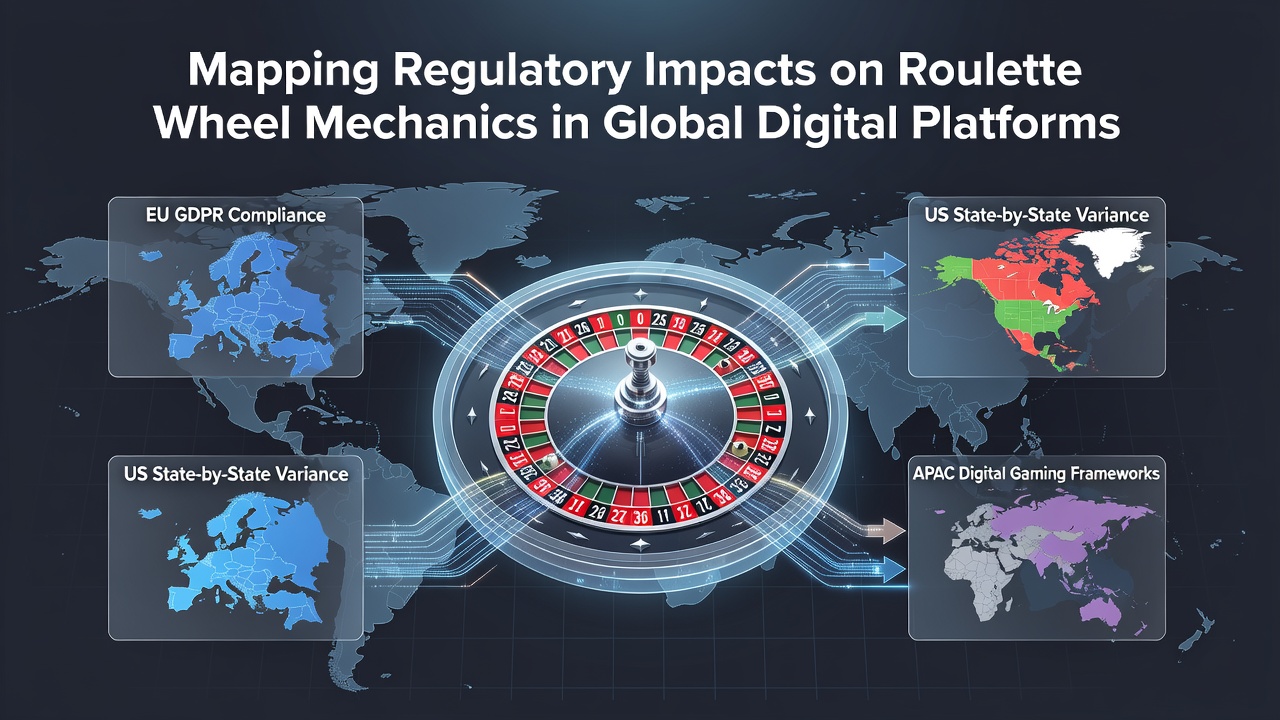
Digital roulette platforms operate under layers of regulatory oversight that directly shape how wheel mechanics function in virtual environments, and these rules determine everything from random number generator algorithms to payout verification processes. Regulators across multiple jurisdictions require specific certification standards for RNG systems, which means operators must adjust wheel simulation parameters to meet fairness thresholds before deployment.
Core Regulatory Mechanisms Affecting Wheel RNG Systems
Operators integrate RNG technology that simulates physical wheel spins, yet compliance demands force modifications such as minimum entropy levels and periodic reseeding protocols to prevent predictable patterns. Data from the Malta Gaming Authority shows that approved RNG modules undergo quarterly audits where statistical distributions are tested against regulatory benchmarks, and platforms failing these checks face suspension until adjustments restore compliance. In June 2026 several European operators reported implementing updated entropy requirements after new technical guidelines took effect, which extended testing cycles from 30 to 45 days for each wheel variant.
North American frameworks add another dimension because state-level agencies like the New Jersey Division of Gaming Enforcement mandate real-time monitoring of wheel outcomes through independent third-party servers. These systems log every simulated spin and cross-reference results against expected probability curves, creating a feedback loop that can trigger automatic shutdowns if deviations exceed predefined limits. Observers note that such oversight has led developers to embed adaptive calibration tools directly into roulette software, allowing mechanics to self-correct payout ratios without manual intervention.
Regional Variations in Compliance Standards
European markets emphasize player protection through strict RNG transparency rules, whereas North American and Asian regulators focus more on transaction integrity and cross-border data flows. The iGaming Ontario framework, for instance, requires that digital wheel mechanics incorporate geofencing protocols that tie RNG seeds to verified player locations, reducing opportunities for manipulation across provincial boundaries. Research published by the University of Nevada's International Gaming Institute indicates that these location-based constraints have increased average certification times by 18 percent since 2024, prompting platforms to pre-certify multiple wheel configurations for different regions.
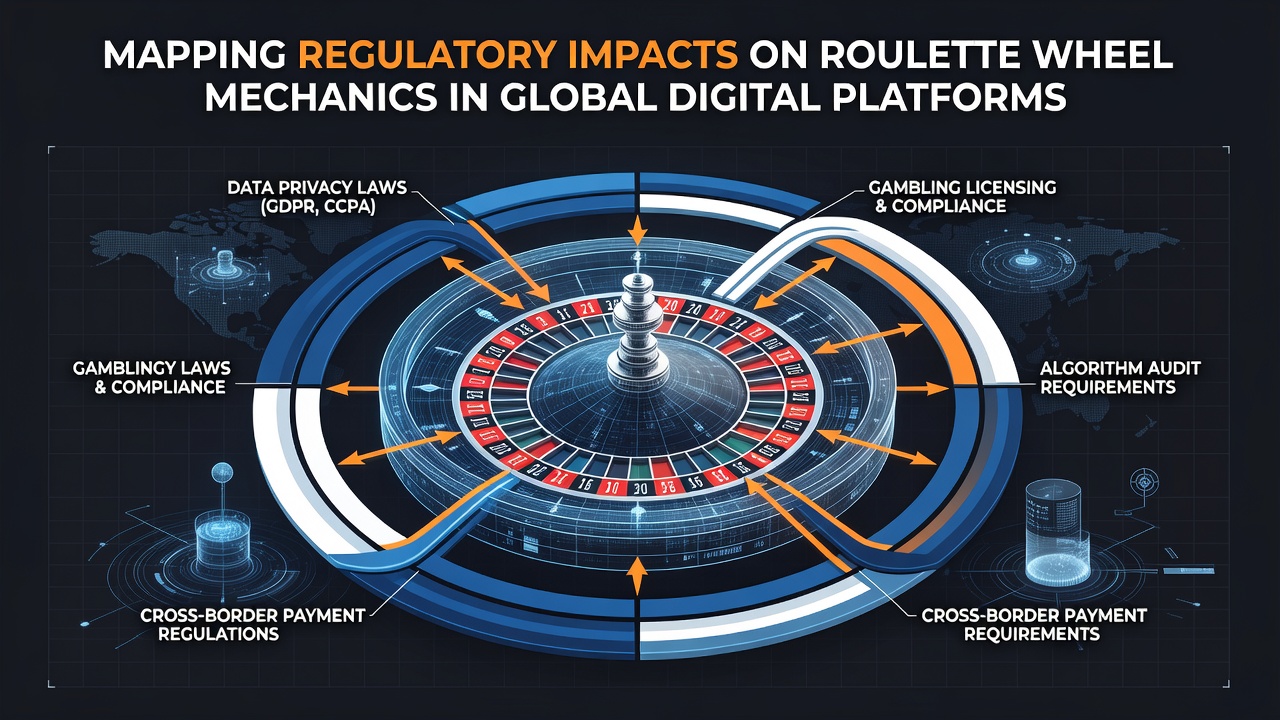
Australian authorities through the Australian Communications and Media Authority enforce additional layers concerning bonus integration with wheel mechanics, requiring that promotional multipliers appear only after independent verification confirms no alteration to base RNG probabilities. Platforms serving multiple markets therefore maintain separate code branches for each jurisdiction, and synchronization between these versions becomes a critical operational challenge when updates occur.
Technical Adjustments Driven by Oversight
Developers respond to regulatory pressure by redesigning core wheel parameters such as segment weighting algorithms and volatility settings. One common adaptation involves inserting mandatory cooling periods between high-volatility spins, a measure introduced after regulators identified clusters of rapid consecutive wins that raised manipulation concerns. Figures from the European Gaming and Betting Association reveal that operators adopting these cooling mechanisms experienced a 12 percent reduction in disputed outcomes during the first half of 2026.
Cross-platform compatibility adds further complexity because mobile and desktop versions must deliver identical mechanical behavior under the same regulatory umbrella. This consistency requirement forces companies to run parallel testing environments where regulatory scripts simulate thousands of spins across device types, and any discrepancy triggers immediate code revisions before public release.
Emerging Trends in June 2026
By June 2026 regulators in several jurisdictions began exploring blockchain-based audit trails for wheel mechanics, allowing real-time verification without exposing proprietary algorithms. Early adopters report that distributed ledger systems reduce audit preparation time while maintaining the confidentiality standards demanded by oversight bodies. Those who've studied these implementations observe that the approach also simplifies multi-jurisdictional reporting because a single immutable record satisfies multiple regulatory frameworks simultaneously.
Conclusion
Regulatory mapping of roulette wheel mechanics continues to evolve as digital platforms expand globally, and the interplay between technical standards and compliance requirements shapes how operators design and maintain their systems. Data indicates that jurisdictions with mature frameworks achieve higher consistency in fairness outcomes, while emerging markets still navigate the balance between innovation and oversight. The result is an industry where wheel mechanics reflect not only mathematical principles but also the accumulated regulatory expectations of diverse authorities.