21 Jul 2026
Mapping Player Migration Between Free Practice Wheels and Paid Live Variants Through Incentive Structures on Mobile Networks
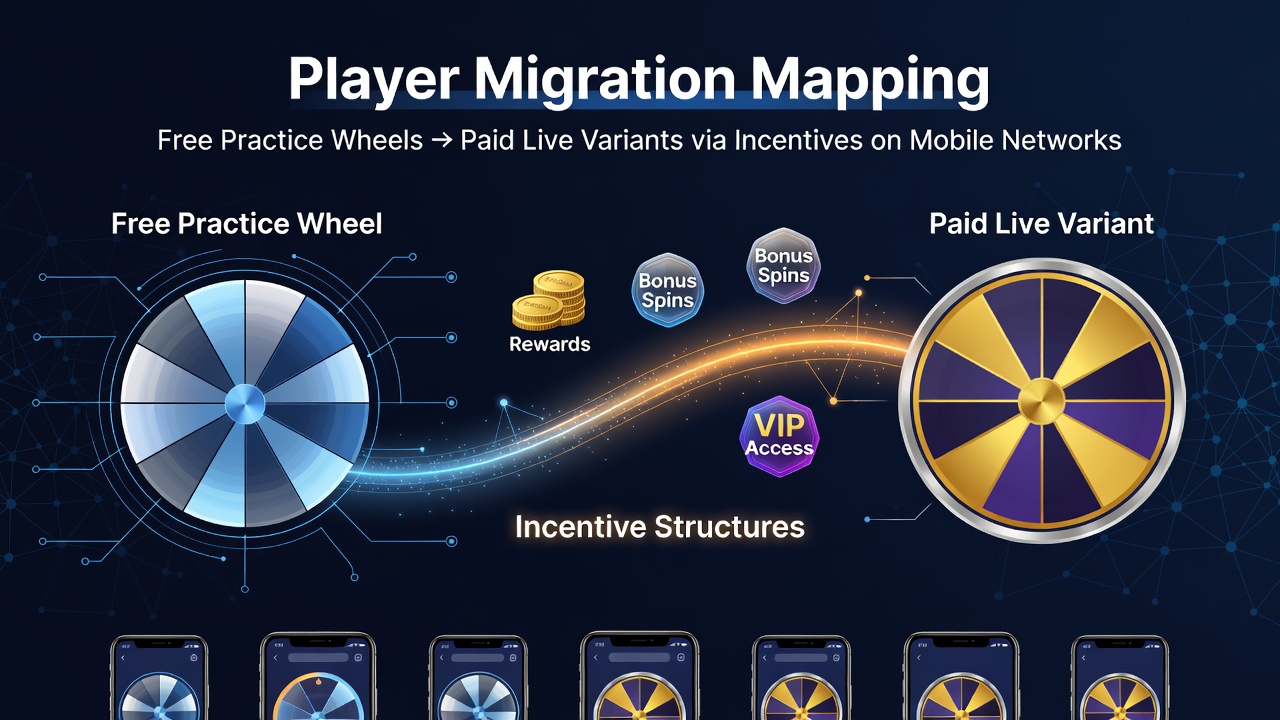
Player movement from free practice wheels to paid live variants follows distinct patterns shaped by incentive structures on mobile networks, and industry data tracks these shifts through user behavior metrics and transaction records. Mobile platforms host both demo modes and real-money live dealer sessions, while incentive mechanisms such as deposit matches, loyalty points, and progression rewards create defined pathways that encourage migration once players reach certain engagement thresholds.
Free Practice Wheels as Entry Points on Mobile Networks
Free practice wheels operate within mobile applications and browser-based platforms, allowing users to engage with roulette variants without financial commitment, and network operators record session lengths, spin frequencies, and feature exploration rates during these periods. Research indicates that players who complete multiple sessions on free wheels demonstrate higher familiarity with interface elements, including betting layouts and multiplier mechanics, before any transition occurs. Mobile networks support seamless access through optimized data routing, which maintains consistent performance across regions where 5G rollout has accelerated since early 2025.
Operators deploy practice modes to onboard new users, and tracking systems log how individuals progress through tutorial sequences or variant selections while remaining in demo environments. Data from European iGaming analytics platforms shows that average session times in free modes extend longer on mobile devices compared to desktop interfaces, partly because push notifications and in-app prompts guide continued interaction without requiring account funding.
Incentive Structures Driving Migration
Incentive frameworks connect free practice activity to paid live play through layered rewards that activate at specific milestones, and these structures include welcome packages triggered after initial deposits as well as ongoing loyalty tiers based on cumulative spins or time spent. Mobile network billing integrations enable instant deposit processing, which reduces friction when players decide to move from practice wheels to live dealer tables. Observers note that progression-based incentives, such as unlocked bonus spins after a set number of free sessions, correlate with increased deposit rates in aggregated platform data.
Payment gateway efficiencies further support these transitions by allowing micro-deposits that align with mobile user spending patterns, while regulatory frameworks in jurisdictions like those overseen by the Malta Gaming Authority require clear disclosure of incentive terms to maintain transparency during migration. Industry reports compiled through 2026 highlight that live variant access often becomes available immediately after the first qualifying deposit, with mobile apps preserving session continuity so that practiced strategies carry over directly into real-money environments.
Patterns in Live Variant Selection and Mobile Transaction Flows
Once players migrate, selection among live variants depends on prior exposure during free practice, and transaction records reveal preferences for specific table types or jackpot features that were tested in demo mode. Mobile networks facilitate this by delivering low-latency streams for live dealer feeds, which maintain synchronization between user actions and game outcomes across varying connection qualities. Figures from North American gaming associations indicate steady growth in mobile live play volumes during the first half of 2026, coinciding with expanded incentive campaigns tied to seasonal events including the FIFA World Cup period.
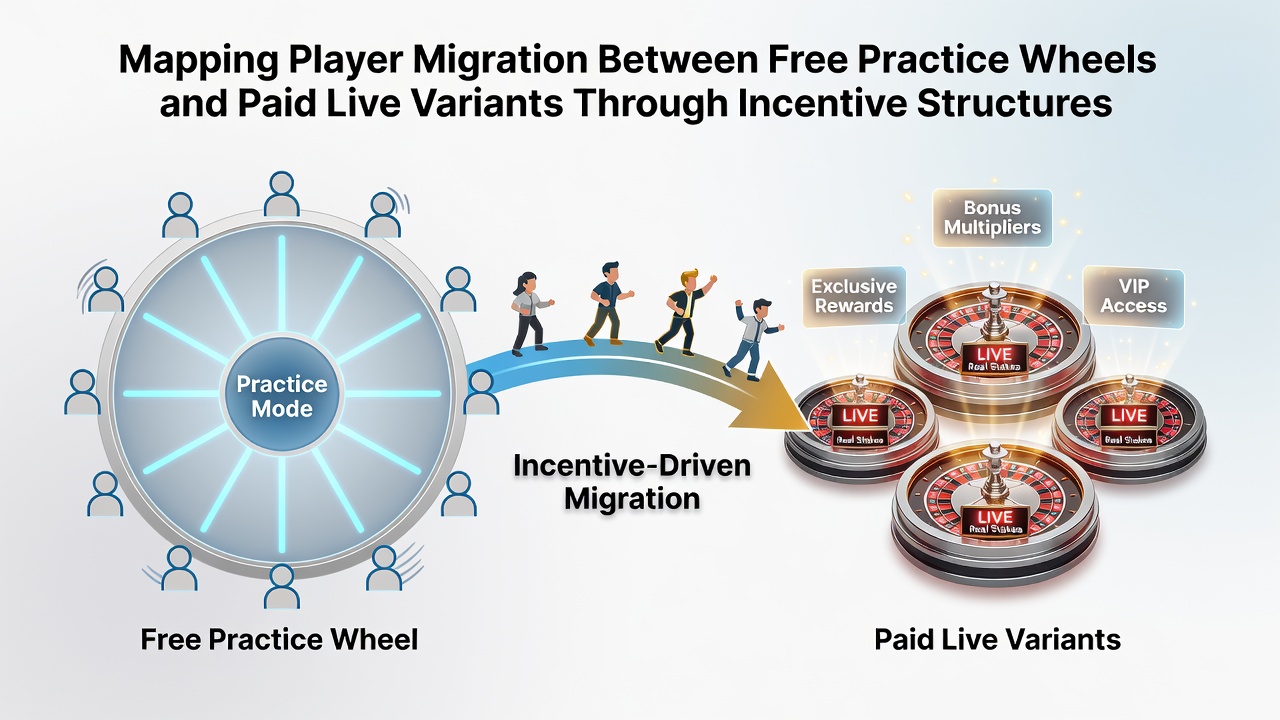
Case examples drawn from platform analytics illustrate how users who receive targeted bonus offers after extended free-wheel sessions show elevated rates of live variant engagement, particularly when those offers include wager-free components or cashback on initial real-money losses. Australian regulatory summaries and Canadian provincial gaming reports both document similar migration timelines, where the interval between first free session and first paid deposit averages between three and seven days for users exposed to structured incentive sequences.
Network-Level Factors Influencing Sustained Transitions
Mobile network characteristics, including data caps, latency profiles, and app store policies, intersect with incentive delivery to shape whether migration remains temporary or becomes recurring. Operators adjust reward timing to coincide with peak mobile usage hours, and backend systems monitor cross-session behavior to refine which incentives trigger the next stage of paid play. Academic studies on digital gambling behavior, including work published through institutions examining European markets, identify that consistent mobile connectivity strengthens the link between practice exposure and live participation when incentives are presented in real time.
Transaction efficiencies on these networks also affect jackpot accumulation across variants, because mobile payment rails support rapid top-ups that keep players active in progressive pools during live sessions. Data released in mid-2026 by international trade groups tracking iGaming metrics shows continued emphasis on mobile-first incentive designs, with operators testing personalized offers derived from free-wheel telemetry to increase conversion without disrupting network performance.
Conclusion
Mapping player migration requires examination of how free practice wheels feed into paid live variants through precisely calibrated incentive structures delivered over mobile networks. Transaction data, session analytics, and regulatory disclosures together provide the factual basis for understanding these pathways, while ongoing developments in network technology and reward systems continue to define the pace and volume of transitions observed through July 2026 and beyond.