Mapping Historical Wheel Adaptations to Modern Transaction Security Protocols in International Casino Networks
Hugo Fischer · Jun 20, 2026
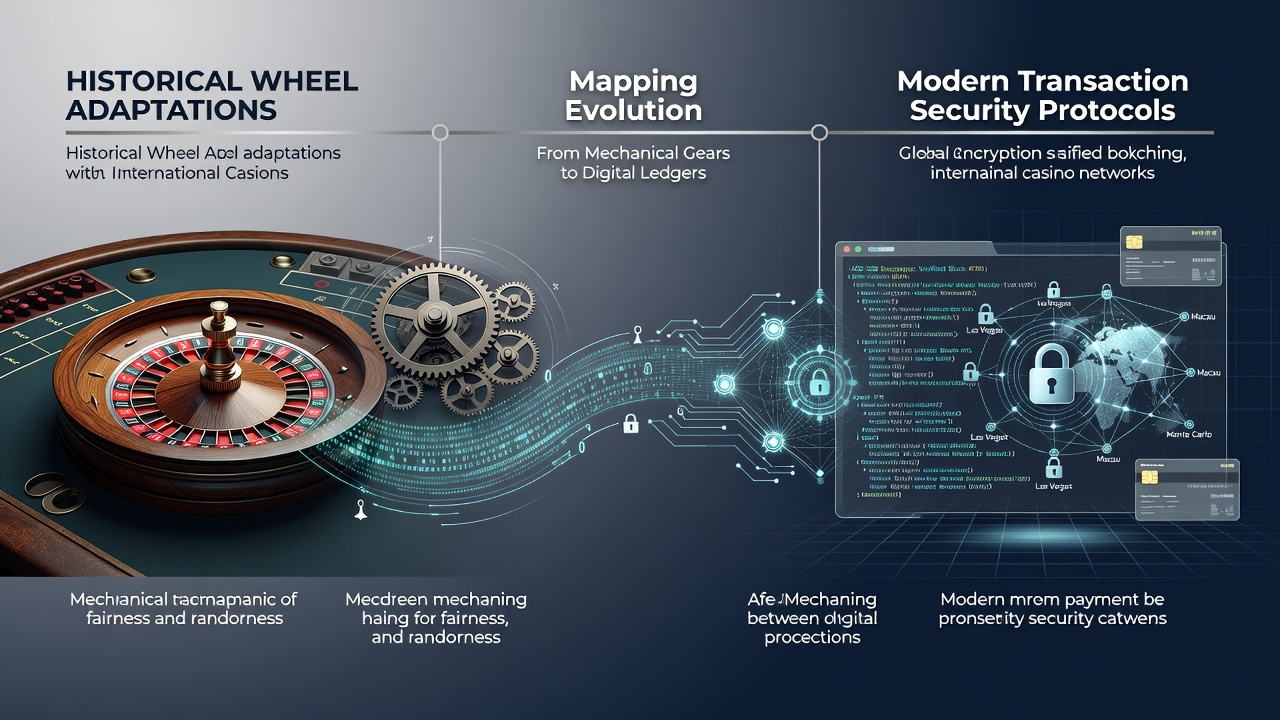
Mapping Historical Wheel Adaptations to Modern Transaction Security Protocols in International Casino Networks
Historical adaptations in roulette wheel construction emerged during the 18th and 19th centuries as manufacturers responded to documented biases that affected outcome distribution; these physical modifications included precision balancing of rotors, reinforced frets between pockets, and calibrated leveling systems that reduced predictable patterns. Observers at the time noted how such changes addressed vulnerabilities in early casino equipment while operators tracked results across multiple venues to identify recurring deviations.
Those mechanical refinements parallel the layered security measures that now govern transaction flows in international casino networks; data from regulatory filings indicate that early wheel adjustments focused on eliminating exploitable irregularities, much as contemporary protocols prioritize encryption standards and multi-factor authentication to prevent unauthorized access to financial data. Researchers who examined period equipment records found consistent patterns of iterative redesigns driven by observed player interactions and house monitoring practices.
Early Mechanical Countermeasures and Their Documentation
Wheel makers in France and Germany introduced weighted segments and adjustable bearings by the mid-1800s, responding to reports of tilted rotors that favored specific number clusters; these modifications appeared in technical drawings preserved by gaming authorities and were cross-referenced against payout ledgers from major establishments. Evidence from surviving manufacturer logs shows that adjustments often occurred after statistical reviews spanning thousands of spins, establishing thresholds for acceptable variance that later informed inspection routines.
International operators exchanged correspondence detailing wheel specifications, creating informal networks that prefigured today's standardized compliance frameworks; such exchanges helped propagate techniques like sealed axle housings and non-magnetic materials that resisted external interference. Figures from archival collections reveal that facilities in Monaco and Baden-Baden adopted similar upgrades within five years of each other, illustrating early cross-border alignment on equipment integrity.
Transition to Digital Representations of Wheel Systems
By the late 20th century, electronic random number generators began replacing physical wheels in many jurisdictions, carrying forward the same emphasis on verifiable fairness that characterized earlier mechanical versions; regulatory bodies required certification testing that mirrored historical bias checks, with independent laboratories measuring output distributions against expected probabilities. Studies conducted by academic groups in North America and Asia documented how these digital systems incorporated checksum protocols and audit trails that echo the tamper-evident seals once applied to rotor assemblies.
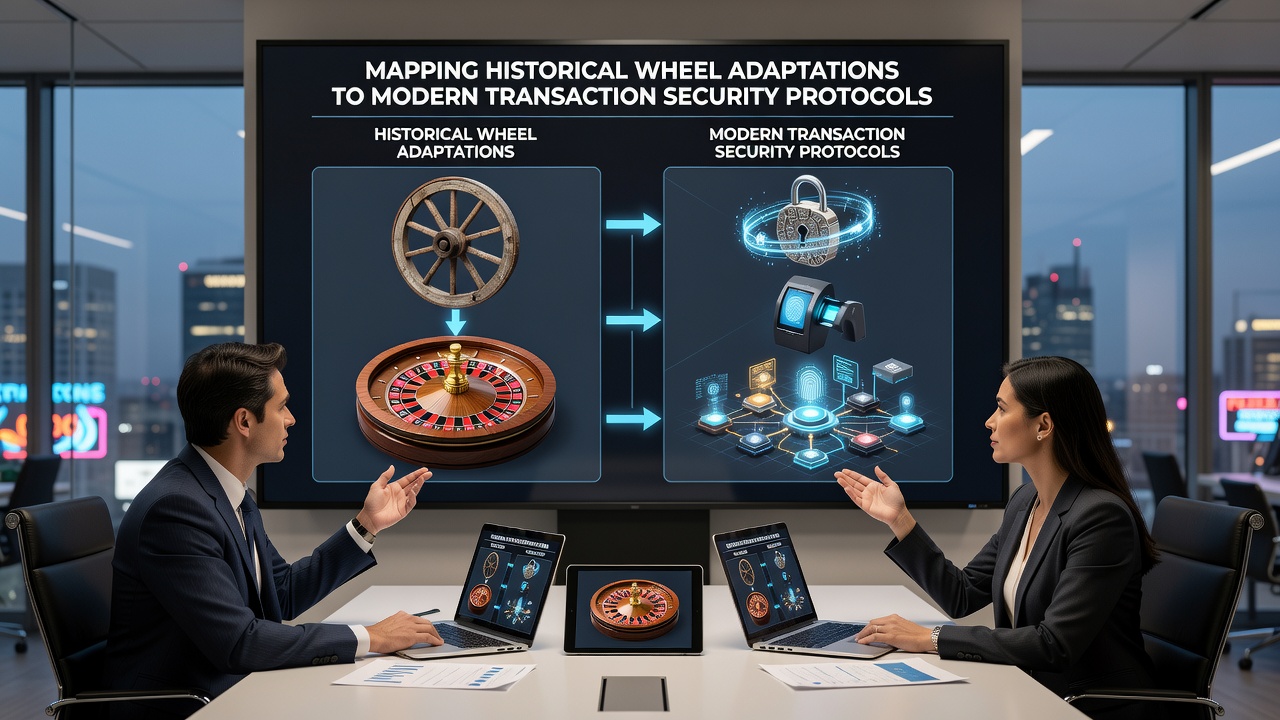
Transaction security protocols in casino networks adopted comparable principles of compartmentalization; funds movement now occurs through segmented channels that isolate player accounts from operational ledgers, reducing single-point exposure in ways that parallel the isolated pocket designs meant to contain ball movement. Reports issued in 2025 by the Nevada Gaming Control Board highlighted adoption rates of tokenization methods exceeding 92 percent among licensed operators, reflecting a pattern of incremental hardening that began with physical equipment standards.
International Regulatory Alignment on Security Mapping
Agreements between agencies in different regions have formalized these historical-to-modern mappings; the International Association of Gaming Regulators coordinated workshops in early 2026 that examined how wheel inspection criteria translate into requirements for real-time payment monitoring. Participants reviewed case studies from Canadian provincial commissions and Australian state regulators, noting shared reliance on continuous data logging that originated with handwritten spin records.
June 2026 saw the release of updated technical guidelines by the European Gaming and Betting Association that explicitly reference historical wheel calibration thresholds when setting latency limits for cross-border fund transfers; these documents stress that security layers must remain auditable, a direct continuation of requirements once applied to mechanical components. Data aggregated across member states shows a 17 percent reduction in reported transaction anomalies following implementation of the revised standards.
Case Examples from Network Implementations
One large Asian operator integrated legacy wheel bias detection algorithms into its fraud detection modules, allowing the system to flag transaction sequences that deviate from established patterns in the same manner that earlier inspectors identified rotor imbalances; internal metrics released under regulatory oversight indicated improved detection times averaging 4.2 seconds per flagged event. Similar adaptations appear in European networks where blockchain-based verification layers replicate the distributed oversight once provided by multiple on-site observers watching wheel performance.
North American platforms have incorporated redundant encryption keys that activate sequentially, a structure reminiscent of the multiple locking mechanisms added to 19th-century wheel cabinets to prevent unauthorized adjustments. Industry reports compiled by research institutions track these developments across dozens of jurisdictions, confirming consistent mapping of physical compartmentalization strategies to digital access controls.
Conclusion
The progression from mechanical wheel adaptations to contemporary transaction security demonstrates a continuous thread of verification, compartmentalization, and iterative refinement across international casino operations; regulatory records and technical documentation establish that foundational practices developed for physical equipment continue to shape protocol design in digital environments. Ongoing coordination among agencies in multiple regions sustains this alignment, ensuring that security measures evolve in response to documented vulnerabilities while preserving core principles established centuries earlier.