18 Jul 2026
Mapping Bonus Activation Sequences to Payment Gateway Options for Enhanced Play in Diverse Roulette Formats on Handheld Devices
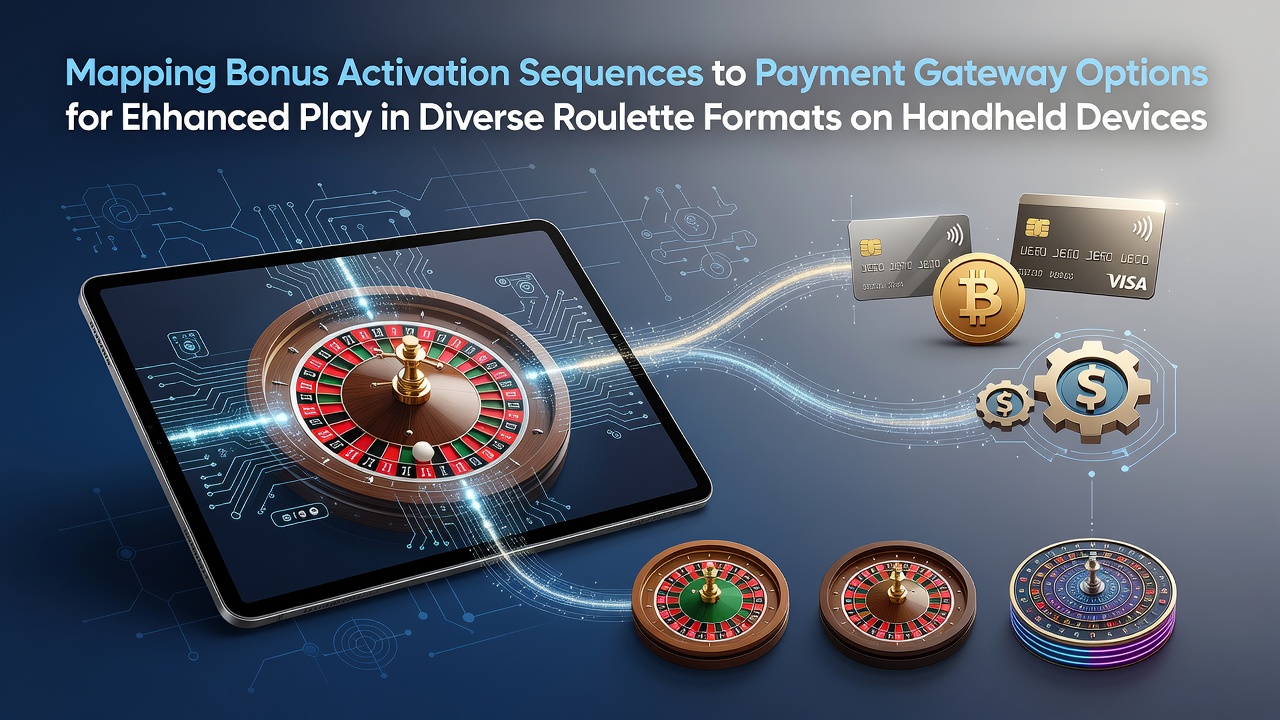
Operators and players have examined how bonus activation sequences align with payment gateway selections to support different roulette formats on handheld devices, and recent figures from July 2026 show continued growth in mobile engagement across these integrated systems. Data indicates that sequences often begin with deposit verification through specific gateways before bonus codes activate, which then unlocks wagering requirements tailored to variants such as European, American, or live dealer roulette.
Core Components of Activation Sequences
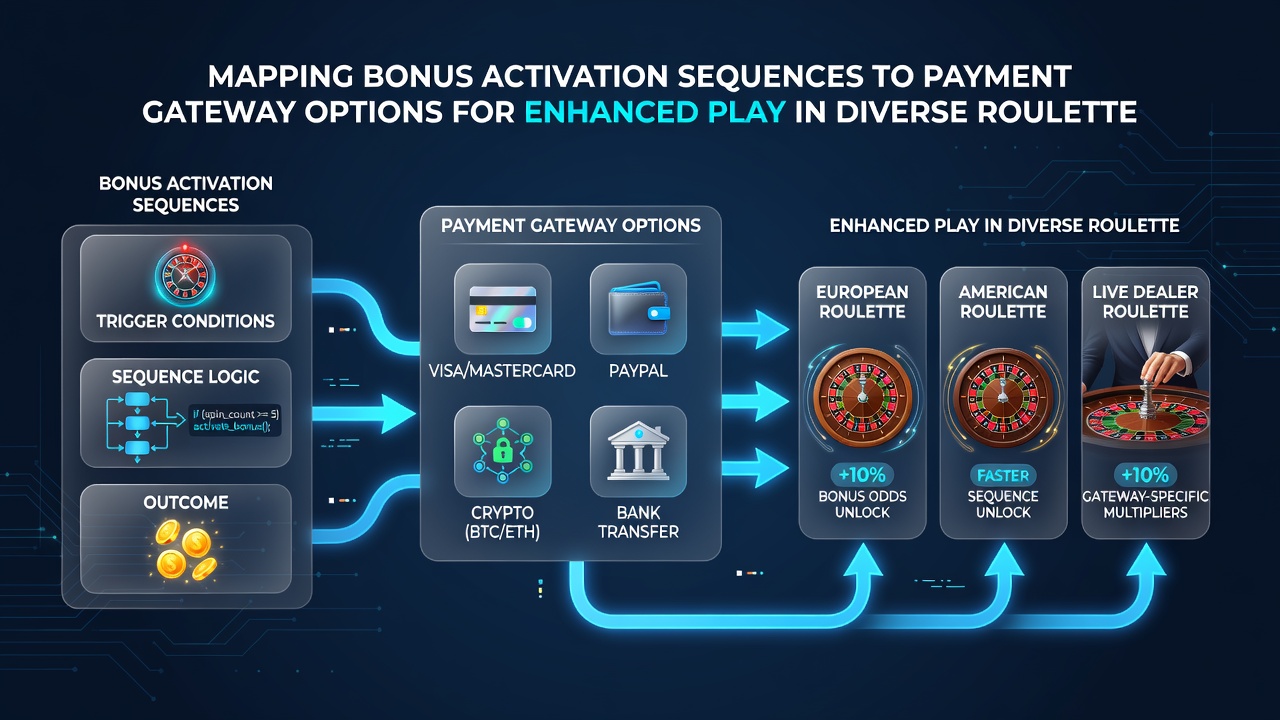
Bonus activation sequences follow defined steps where a player initiates a deposit, the gateway processes the transaction, and the system triggers the bonus once predefined conditions such as minimum amounts and game eligibility are met. Researchers have observed that these sequences vary based on gateway type, with credit card processors typically requiring longer verification periods compared to digital wallets that complete the process in seconds. Studies found that handheld devices benefit from streamlined sequences because mobile operating systems allow for faster API calls between the app and the gateway backend.
Payment Gateway Categories and Sequence Impacts
Payment gateways fall into categories including traditional card networks, e-wallet platforms, and cryptocurrency processors, each producing distinct effects on sequence timing and bonus eligibility. Card networks connect to banking systems that enforce additional security checks, which can delay bonus activation by several minutes, whereas e-wallets integrate directly with casino servers to shorten the interval. Observers note that cryptocurrency gateways often bypass certain regulatory holds, allowing sequences to complete almost instantly and enabling immediate access to progressive jackpot roulette tables on mobile screens. Figures reveal that in the first half of 2026, transaction success rates for e-wallet sequences exceeded those of card-based flows by measurable margins in multiple jurisdictions.
Alignment with Roulette Format Variations
Diverse roulette formats impose different wagering rules once a bonus activates, and the mapping process ensures compatibility between the gateway used and the chosen variant. European roulette, with its single-zero layout, frequently pairs with e-wallet sequences because lower house edges align with bonus contribution percentages that gateways report back to the operator system. American roulette, featuring the double-zero, requires sequences that flag higher volatility settings so that bonus funds do not deplete prematurely during mobile sessions. Live dealer formats add another layer because real-time video streams demand gateways capable of handling micro-transactions without interrupting the activation flow. Those who have studied mobile play patterns report that players switching between formats often select gateways known for consistent sequence reliability across both single-player and live environments.
Mobile Device Constraints and Sequence Optimization
Handheld devices introduce variables such as screen size, network latency, and operating system differences that influence how sequences complete. Data from industry reports shows that iOS and Android platforms handle gateway redirects differently, with some sequences requiring additional confirmation screens on smaller displays. Operators have implemented adaptive interfaces that detect device type and adjust the activation path accordingly, for instance by pre-filling bonus code fields when a compatible gateway is selected. Research indicates that 5G connectivity, which expanded in many regions by July 2026, reduced sequence failure rates during live roulette sessions because faster data transfer allows real-time confirmation between the device and the payment processor.
Regulatory and Technical Mapping Practices
Regulatory frameworks in various regions require transparent mapping between gateways and bonus sequences to prevent misuse, and operators maintain detailed logs that link each transaction method to specific game categories. The New Jersey Division of Gaming Enforcement publishes guidelines that address these linkages for mobile platforms, emphasizing audit trails that trace bonus activation from deposit through wagering completion. In parallel, technical standards developed by organizations such as the Gaming Laboratories International outline testing protocols that verify sequence integrity across different roulette formats. Experts have noted that these practices help maintain consistent player experiences when handheld users move between free-to-play and real-money modes.
Implementation Examples in Current Systems
One documented case involved an operator that mapped e-wallet sequences to French roulette variants on tablets, resulting in higher completion rates for bonus wagering requirements compared with card sequences tied to the same format. Another example showed cryptocurrency gateways enabling faster entry into multi-wheel roulette games on smartphones because activation bypassed traditional banking delays. Data shows that these mappings are updated periodically to reflect changes in gateway APIs and mobile operating system updates released throughout 2026.
Conclusion
The mapping of bonus activation sequences to payment gateway options continues to shape how players access diverse roulette formats on handheld devices. Continued monitoring of transaction data and regulatory updates supports ongoing refinements to these systems, ensuring sequences remain functional across evolving mobile environments and game variants.