How Loyalty Tiers Reshape Exploration of Wheel Configurations Through Portable Access Features and Reward Mechanisms
Hugo Becker · Jun 18, 2026

How Loyalty Tiers Reshape Exploration of Wheel Configurations Through Portable Access Features and Reward Mechanisms
Operators in the online gaming sector have developed loyalty tier systems that grant players graduated levels of access to wheel variants, and these structures now integrate directly with mobile platforms to influence how users sample different configurations over time. Data from industry reports indicate that players who advance through tiers encounter expanded options for European, American, and French wheel layouts, often unlocked via portable sessions that track activity across devices.
Loyalty Structures and Tier Progression
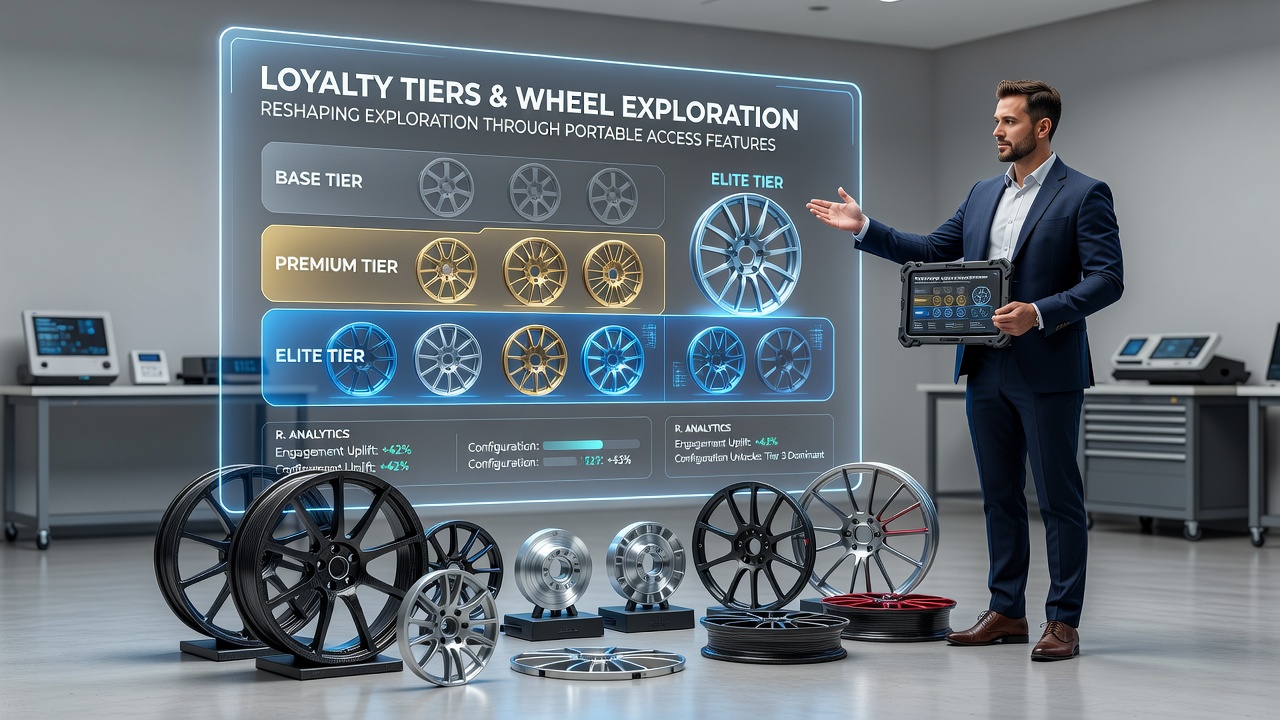
Many platforms organize loyalty programs into multiple levels where initial entry points provide basic access while higher tiers unlock specialized wheel features and portable tools. According to figures released by the European Gaming and Betting Association, tier advancement correlates with increased session frequency on mobile applications, and participants at mid-levels receive priority notifications about new configuration releases. Those who maintain consistent activity across months accumulate points that convert into temporary boosts for exploring live dealer wheels or RNG-based variants without standard wagering requirements.
Progression mechanics rely on metrics such as total spins completed and deposit patterns, which in turn affect the range of portable access tools available. Observers note that players reaching upper tiers often gain simultaneous connections to multiple wheel types during single mobile sessions, a feature that lower tiers restrict to sequential selections.
Portable Access Features and Their Integration
Mobile applications serve as the primary delivery mechanism for tier-based rewards, allowing users to switch between wheel configurations while maintaining progress tracking. These features include real-time synchronization of loyalty status across tablets and smartphones, alongside filters that highlight available variants based on current tier standing. In June 2026, several major operators expanded their portable dashboards to display configuration previews tied directly to reward eligibility, reflecting broader shifts toward device-agnostic exploration.
Research from the University of Nevada's gaming studies division shows that portable interfaces reduce the time required to test new wheel layouts by approximately 30 percent for tiered users compared with desktop-only environments. The systems log every configuration switch, feeding data back into reward algorithms that adjust future offers.
Reward Mechanisms Driving Configuration Exploration
Rewards in these programs take forms such as free spin allocations, reduced house-edge modifiers on specific wheels, and exclusive access windows for limited-time variants. Higher tiers receive compounded benefits where accumulated points multiply across portable sessions, encouraging repeated sampling of American wheels with double-zero layouts alongside single-zero European options. Industry analyses reveal that reward redemption rates climb steadily as players move upward, with mobile notifications prompting immediate engagement when new configurations enter rotation.
One documented case involved a mid-tier participant who leveraged portable reward credits to sample French wheel rules with la partage during a commute, then carried the same loyalty balance into an evening session on a different device. Such continuity stems from cloud-linked accounts that preserve both tier status and configuration history without interruption.
Impact on Player Behavior Patterns
Patterns observed across platforms show that tiered rewards steer users toward broader wheel exploration rather than repeated play on single configurations. Participants at advanced levels demonstrate higher rates of switching between live and automated wheels within the same hour, supported by portable access that eliminates login friction. Data compiled by the Australian Gambling Research Centre indicates that reward multipliers tied to tier status increase the likelihood of trying less common variants by a measurable margin over baseline player groups.
Operators adjust these mechanisms periodically, introducing seasonal reward structures that align with events like major sporting tournaments to further diversify configuration exposure. The result appears in aggregated logs where mobile-driven tier activity accounts for growing shares of total wheel variant interactions.
Conclusion
Loyalty tiers combined with portable features and reward systems create structured pathways that guide how players encounter and compare wheel configurations over extended periods. These elements operate through interconnected mobile tools that record progress and deliver targeted incentives, producing measurable shifts in exploration depth across different regions and operator networks. Continued refinement of these systems continues to shape access patterns in measurable ways.