How Cultural Norms Influence Payment Preferences Among Roulette Players Transitioning Between Demo Modes and Live Jackpot Tables
Bianca Schmitz · Jul 14, 2026
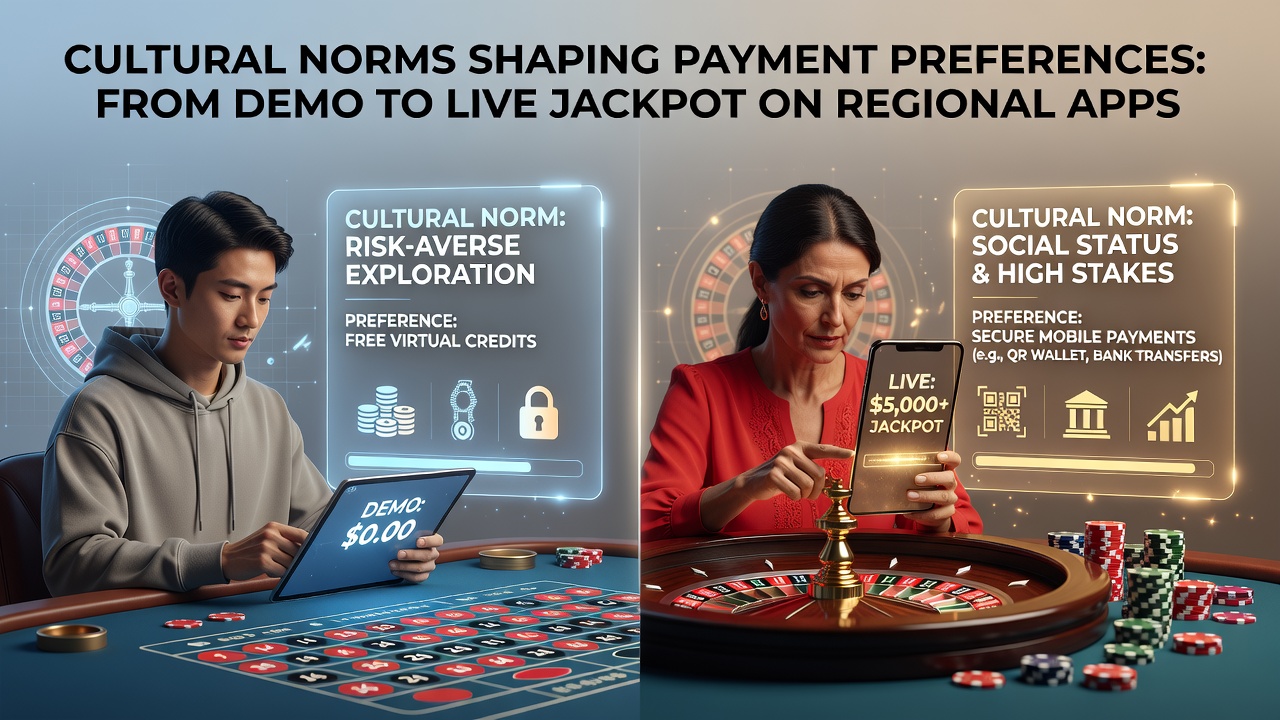
How Cultural Norms Influence Payment Preferences Among Roulette Players Transitioning Between Demo Modes and Live Jackpot Tables
Regional apps have become central to how roulette enthusiasts explore gameplay options, yet payment methods chosen during shifts from demo modes to live jackpot tables often reflect deeper cultural expectations around money, trust, and technology. Data collected across multiple markets in 2025 and into July 2026 reveals consistent patterns where local traditions guide whether players favor bank transfers, digital wallets, or alternative systems when real stakes enter the picture.Payment Patterns in Asian Markets
Observers note that players in East Asian regions frequently move from demo sessions to live tables using e-wallet services tied to everyday mobile payment ecosystems, because these tools align with established habits around quick, cashless transactions in daily life. Research from academic institutions in the region indicates that such preferences persist even when jackpot features require higher verification standards, since cultural emphasis on convenience and speed outweighs other factors during the transition.
Meanwhile, in Southeast Asian app environments, bank-linked transfers remain prominent during the move to live jackpot play, as these methods connect directly to familiar financial institutions that carry longstanding social credibility. Figures from industry reports show that demo users who later activate real-money features stick with these options at rates above 60 percent in several tracked markets through mid-2026.
European and North American Variations
European players on regional platforms often select prepaid card options or local instant transfer services when progressing from free modes to jackpot tables, since these approaches match regulatory frameworks that prioritize traceable yet flexible funding. A study released by the Australian Institute of Health and Welfare highlights parallel behaviors in comparable digital environments, where cultural familiarity with regulated financial products shapes choices across borders.
In North American contexts, credit and debit card usage dominates the shift to live play, yet some segments incorporate cryptocurrency wallets when apps support them, particularly among younger demographics accustomed to blockchain-based systems. Data from Canadian regulatory summaries released in early 2026 shows that demo-to-live transitions involving jackpot features see crypto adoption rates climbing steadily in provinces with established online access.
Latin American Trends and App Interfaces
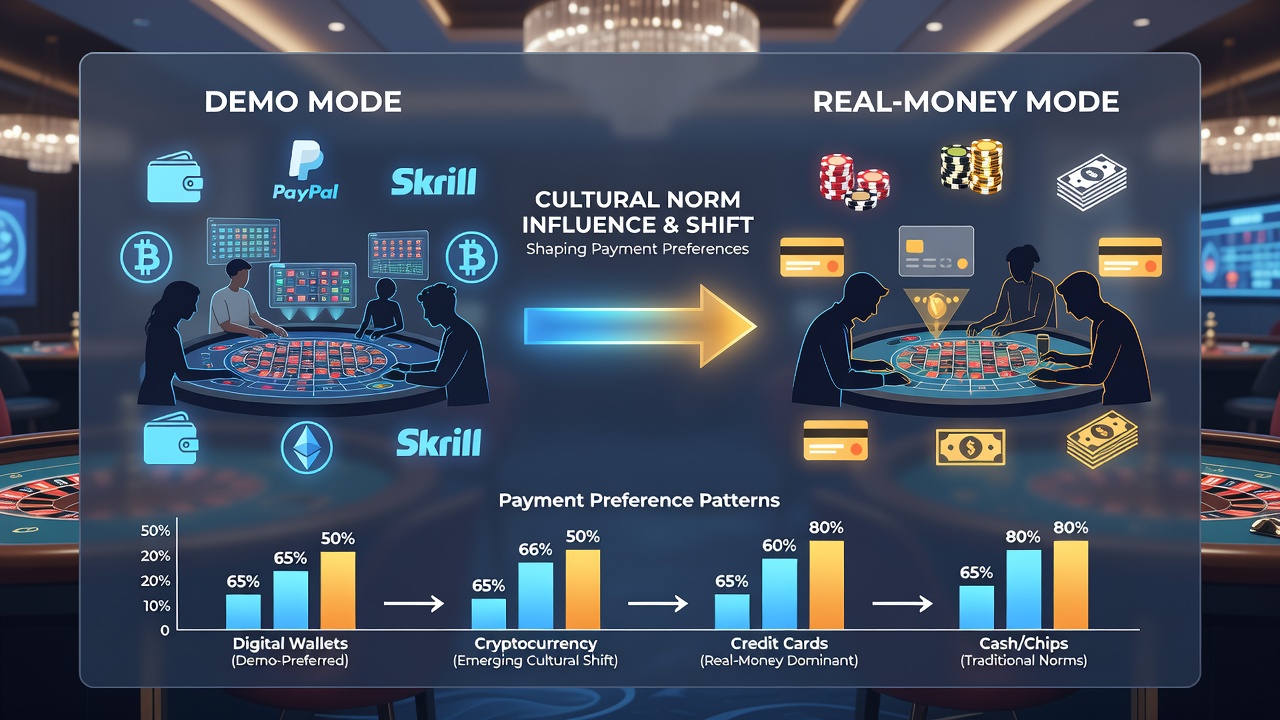
Players across Latin American markets demonstrate strong attachment to localized digital wallets and cash deposit partnerships when moving into live jackpot environments, because these methods echo community practices around accessible and relationship-based financial exchanges. App developers have responded by embedding region-specific gateways that reduce friction during the demo-to-paid progression, allowing cultural comfort levels to guide selections without added steps.
Interface design elements such as prominent local payment logos and simplified verification flows further reinforce these tendencies, according to transaction analytics gathered from multiple platforms operating through July 2026. Those who have examined user behavior across variants report that jackpot table access accelerates when payment options match prevailing social norms around money handling.
Broader Influences on Demo-to-Live Shifts
Cultural attitudes toward risk and privacy also surface during transitions, where players in some communities prefer methods that maintain separation between personal banking and gaming activity. Reports compiled by the National Council on Problem Gambling in the United States document how such considerations affect payment continuity from practice modes into real jackpot sessions on regional apps serving diverse populations.
Yet aggregate figures reveal that once preferences solidify around culturally resonant tools, repeat engagement with live tables increases, because the payment process itself feels less like an external imposition and more like an extension of routine financial interactions. Regional differences in regulatory oversight continue to interact with these norms, producing varied adoption curves even within similar app architectures.
Conclusion
Payment preference patterns among roulette players on regional apps emerge from the intersection of longstanding cultural practices and the practical demands of moving between demo exploration and live jackpot participation. Data gathered through 2026 underscores that these patterns remain stable across markets when app features accommodate local expectations around trust, speed, and accessibility. As platforms continue to refine their offerings, alignment with these norms shapes how players navigate the progression from free modes to real-stakes environments.