Decoding How Interface Design Elements Guide Selections in Multi-Table Live Roulette Sessions with Jackpot Features
Jordan Meier · May 26, 2026
Decoding How Interface Design Elements Guide Selections in Multi-Table Live Roulette Sessions with Jackpot Features
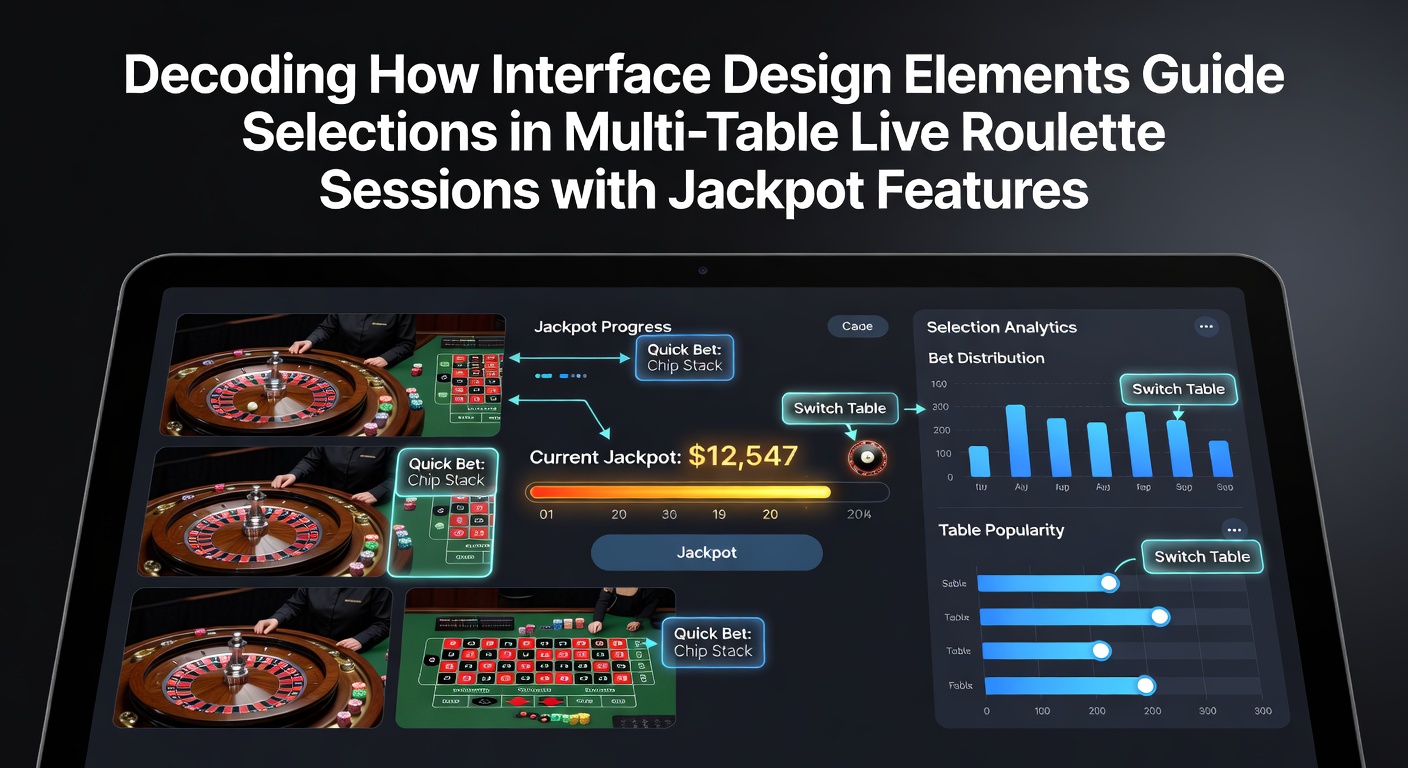
Interface design in multi-table live roulette environments shapes how participants navigate between simultaneous sessions while jackpot indicators remain visible across all active tables, and developers integrate these elements to streamline choices without disrupting the flow of live dealer interactions. Platforms present tables through grid or tab formats that highlight connection speeds and current player counts, which directs attention toward sessions where jackpot pools have accumulated recent contributions from across regional networks.
Layout Patterns That Influence Table Switching
Designers arrange multi-table views with persistent side panels that display jackpot meters alongside table thumbnails, and these panels update in real time to reflect contributions made during May 2026 across European and North American servers. Observers note that color-coded borders around each table preview signal active jackpot eligibility, which encourages users to open additional windows rather than remain on a single dealer feed. Button placement follows established patterns where the largest action element always triggers table expansion, while smaller secondary controls manage stake adjustments or audio toggles.
Research from the International Gaming Institute at the University of Nevada reveals that participants complete an average of three table switches within the first eight minutes of a session when jackpot totals appear in prominent header positions, and this behavior increases when progress bars use gradient fills that intensify as thresholds near payout levels. The same data set shows reduced dwell time on any single table once three concurrent sessions reach simultaneous operation.
Jackpot Visualization and Selection Pressure
Progressive jackpot modules sit above the main betting grid in most live implementations, and they expand on hover or tap to reveal contribution histories from previous rounds. This expansion reveals which table variants feed the largest pools, guiding players toward specific wheel types without requiring separate menu navigation. Notification overlays appear when another participant triggers a partial payout elsewhere on the network, and these alerts include direct links that open the corresponding table in a new panel.
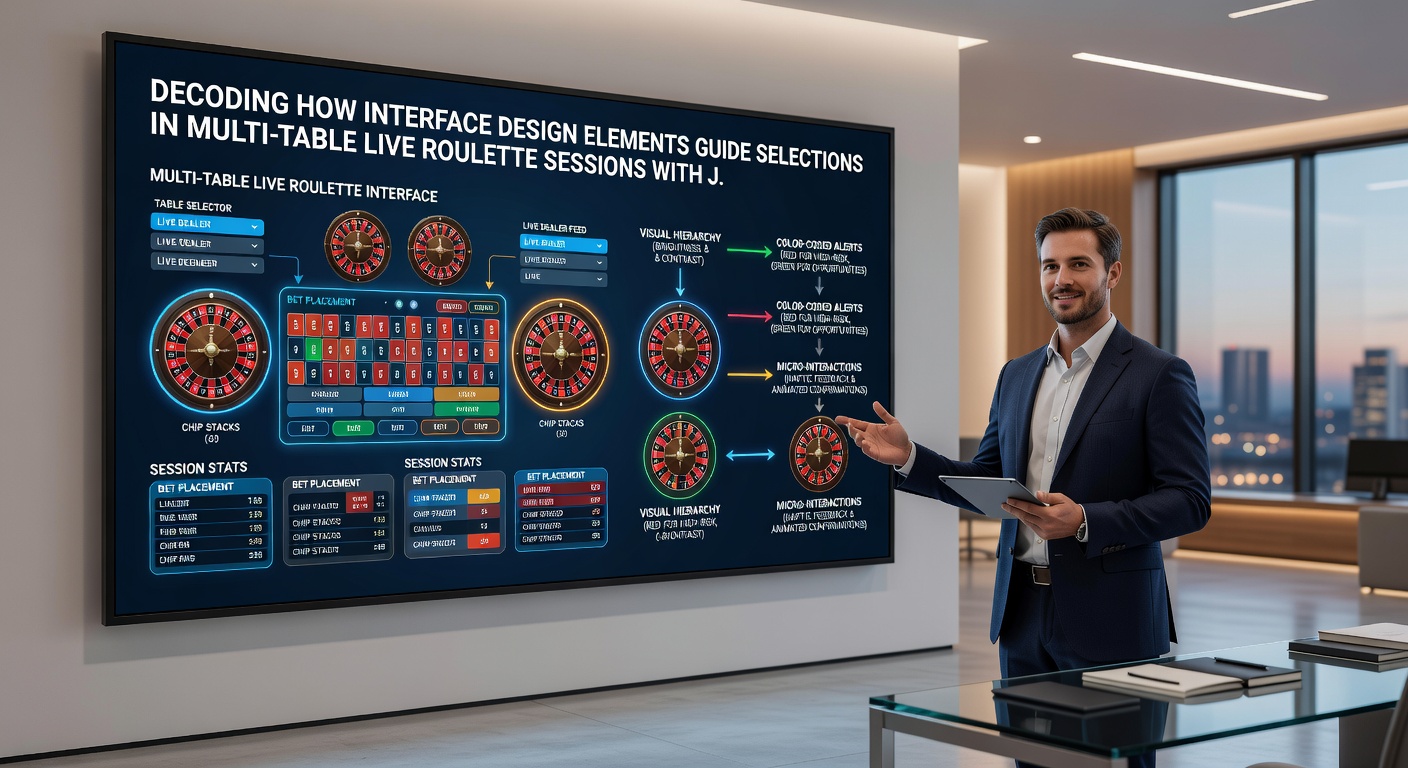
According to figures published by the New Jersey Division of Gaming Enforcement for the first quarter of 2026, multi-table configurations that kept jackpot meters within the primary viewport recorded 27 percent higher concurrent table usage than layouts that relegated those meters to secondary screens. Designers therefore position these meters to remain constantly visible even when users scroll through betting history or chat logs.
Interaction Elements That Direct Attention
Quick-select toggles allow instant addition of a second or third table while preserving existing stake settings, and these toggles appear in the same visual hierarchy as the main spin button. When jackpot features activate on one table, the interface automatically dims non-eligible tables slightly to reduce visual competition. Tooltips that explain contribution mechanics surface only after the second table opens, which prevents initial overload while still delivering necessary information once users commit to multi-table play.
Platform analytics shared at industry conferences indicate that users who encounter synchronized jackpot animations across open tables maintain an average of 4.2 concurrent sessions, whereas isolated animations result in fewer simultaneous tables. The timing of these animations aligns with live dealer spins so that visual emphasis coincides with natural pauses in betting action.
Cross-Platform Consistency and Regional Adaptations
Mobile implementations compress multi-table views into swipeable carousels while desktop versions retain side-by-side grids, yet both retain identical jackpot meter scaling and color logic. This consistency allows users who begin sessions on desktop to continue selections seamlessly on mobile without relearning interface cues. Regulatory filings from the Malta Gaming Authority document that platforms maintaining uniform jackpot visualization across devices reported lower rates of session abandonment during the spring of 2026.
Input methods also receive design attention: drag-and-drop stake allocation works across open tables on touch devices, while keyboard shortcuts replicate the same function on desktop. Both approaches reduce the number of clicks required to adjust bets on multiple tables simultaneously, which supports sustained engagement with jackpot-eligible wheels.
Conclusion
Interface elements in multi-table live roulette with jackpot integration function as navigational guides that prioritize visibility of pooled prizes and rapid table access. Data collected through 2026 shows measurable shifts in session patterns once layouts place jackpot information in persistent, non-obstructive positions. Continued refinement of these design choices reflects ongoing platform efforts to match user navigation habits with the operational requirements of live dealer environments.