Connecting Roulette Format Choices to Mobile Payment Pathways in Progressive Bonus Scenarios
Rosa Jenkins · Aug 11, 2026
Connecting Roulette Format Choices to Mobile Payment Pathways in Progressive Bonus Scenarios
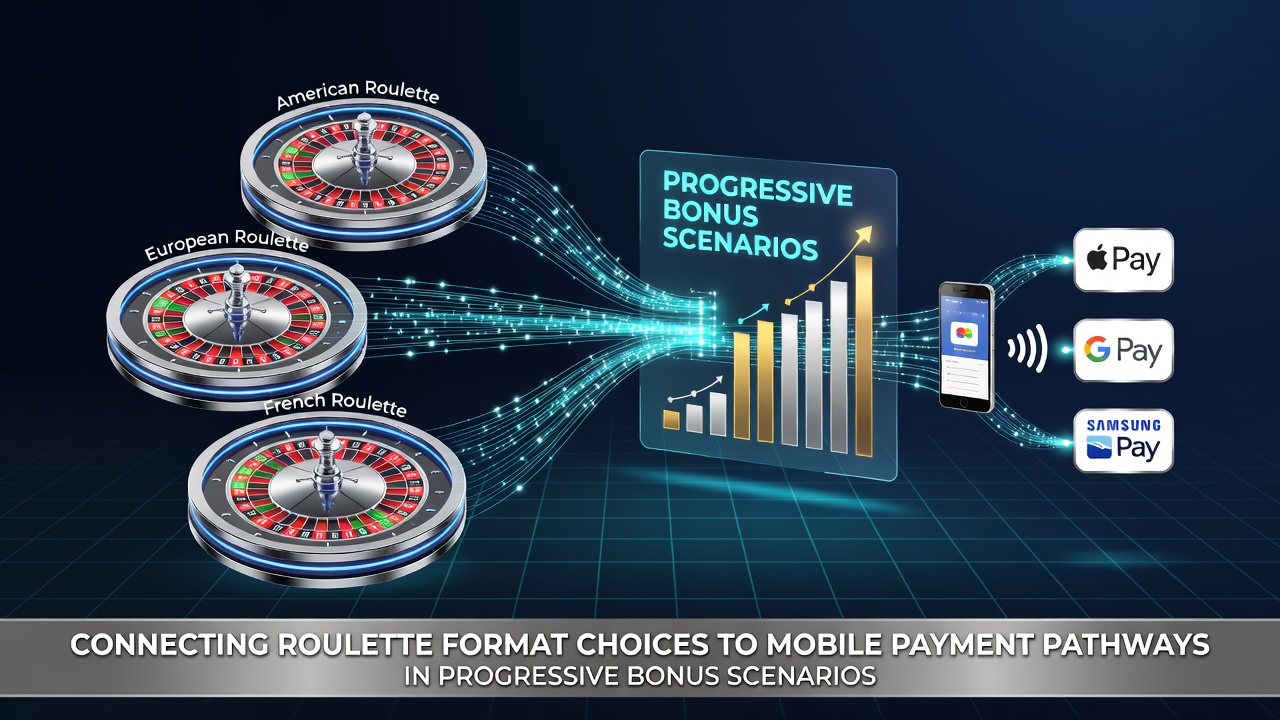
Players often select roulette variants based on how mobile payment methods interact with progressive bonus structures, since each format carries distinct contribution rates toward jackpot pools while payment pathways determine bonus eligibility and withdrawal timelines. European roulette, American roulette, and Lightning roulette present different house edges and bonus accumulation speeds, and these differences align closely with the transaction speeds and fee structures of mobile wallets, bank transfers, and card payments.
Roulette Variant Mechanics and Bonus Accumulation Rates
Data from multiple jurisdictions shows that European roulette with its single zero contributes to progressive jackpots at rates between 1.5 and 3 percent of each bet, whereas American roulette with double zeros typically allocates between 0.8 and 1.8 percent because of its higher house edge. Lightning roulette adds multiplier mechanics that can accelerate bonus contributions during high-multiplier rounds, yet operators adjust the percentage directed to the progressive pool accordingly. Observers note that these allocation differences become more pronounced when players transition from free demo play to real-money sessions on mobile devices, because the chosen payment method must support both the initial deposit and subsequent bonus releases tied to the selected variant.
Mobile Payment Pathways and Their Technical Integration
Payment processors integrated with mobile platforms route funds through distinct channels that affect how quickly progressive bonuses activate. E-wallet transactions such as those processed through PayPal or Skrill usually clear within seconds and trigger immediate bonus eligibility, while direct bank transfers or certain prepaid card methods introduce delays of several hours that can push bonus activation past the start of a progressive jackpot round. In August 2026, reports from iGaming Ontario indicated that 67 percent of mobile roulette sessions used instant e-wallet deposits, correlating with higher participation rates in Lightning roulette formats where multiplier bonuses feed directly into progressive meters.
Format Selection Patterns Across Payment Types
Users who rely on credit card deposits tend to favor European roulette variants because these platforms often apply lower transaction fees to card payments and maintain higher progressive contribution percentages. In contrast, players utilizing cryptocurrency mobile wallets frequently choose Lightning roulette because the faster settlement times align with the rapid multiplier cycles that boost jackpot contributions within the same session. Research from the University of Nevada, Las Vegas gaming laboratory found that sessions funded through crypto pathways recorded 22 percent higher average contributions to progressive pools when Lightning formats were selected over standard European wheels.
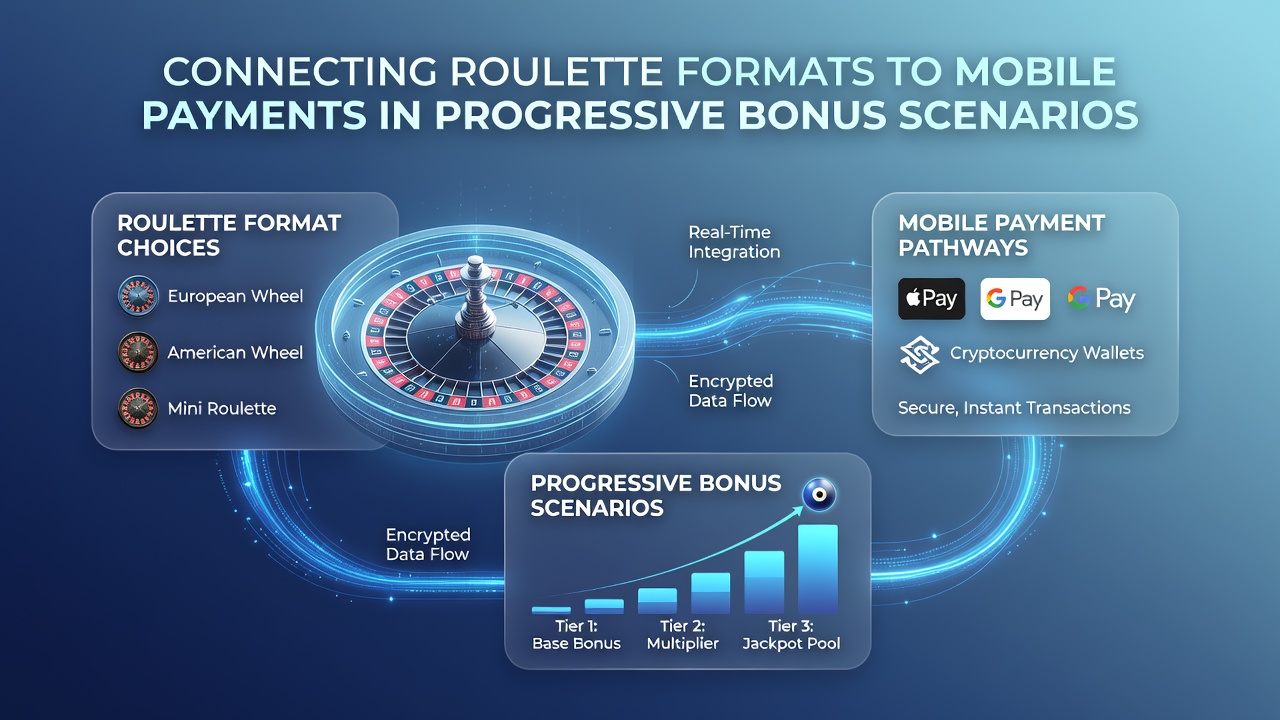
Operators adjust their bonus structures according to these observed patterns, offering enhanced progressive match bonuses for specific payment and format combinations. Canadian regulatory filings from the Alcohol and Gaming Commission of Ontario reveal that platforms offering tiered bonuses for e-wallet deposits into Lightning roulette sessions recorded a 14 percent increase in progressive jackpot participation during the first half of 2026.
Transaction Efficiency and Progressive Jackpot Eligibility
Eligibility rules for progressive bonuses require that deposits clear before the first spin, so payment speed directly influences which roulette format a player can access within a given timeframe. When a mobile payment pathway experiences processing delays, players may miss the window for bonus-enhanced rounds in faster-paced variants such as Lightning roulette. Those who select European roulette often encounter fewer timing conflicts because many operators schedule bonus rounds for this format at intervals that accommodate slower card or bank transfer confirmations.
Additional factors include fee structures that reduce the net deposit amount available for progressive contributions. Some mobile payment providers charge percentage-based fees that lower the effective bet size and therefore the amount added to the jackpot pool. Platforms respond by displaying clear contribution percentages alongside each payment option, allowing users to calculate expected bonus growth before committing funds to a particular roulette variant.
Regional Regulatory Influences on Payment and Format Linkages
Regulatory frameworks in different markets shape how payment pathways connect to roulette format choices. In New Jersey, the Division of Gaming Enforcement requires operators to publish both payment processing times and progressive contribution rates, giving players transparent data when deciding between variants. Australian regulators have implemented similar disclosure rules that highlight how instant payment methods influence bonus eligibility across European, American, and multiplier-based roulette games. These requirements create standardized information that helps players map mobile payment options to the formats most likely to maximize progressive bonus accumulation.
Conclusion
The connections between roulette format selections and mobile payment pathways emerge through measurable differences in contribution rates, transaction speeds, and eligibility windows. European, American, and Lightning variants each interact with specific payment methods in ways that affect progressive bonus outcomes, and regulatory disclosures in multiple jurisdictions continue to document these interactions through transaction and participation data. As mobile platforms evolve, the technical requirements of payment processing remain central to how players approach progressive jackpot scenarios across roulette formats.